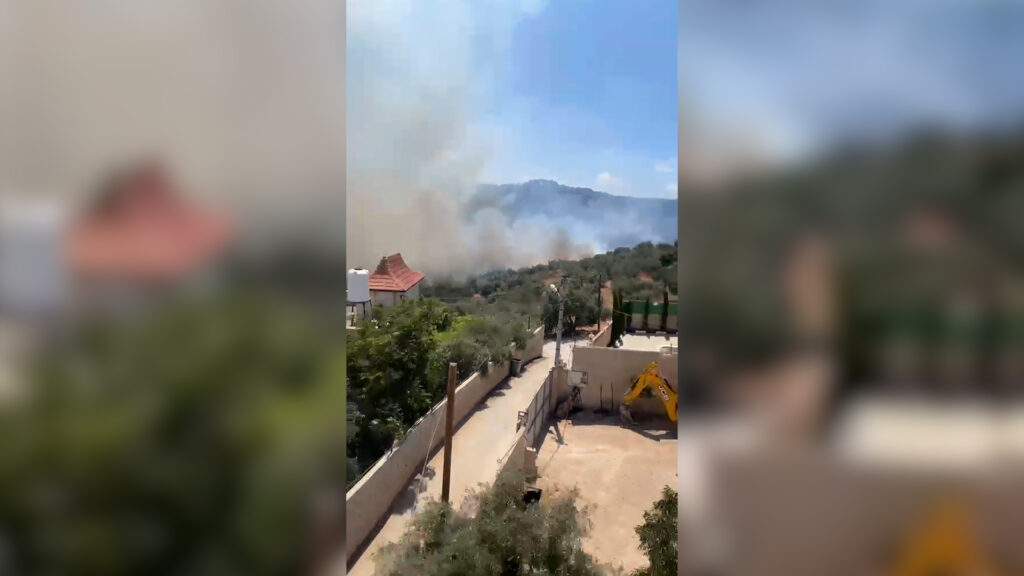
In a troubling incident amid the ongoing Israeli-Palestinian conflict, Israeli forces were reported to have set olive trees on fire in the small Palestinian village of Rummanah, located in the occupied West Bank. Footage emerging from the area captures the devastating aftermath of this act, showing charred grounds and damaged olive trees, which hold significant cultural, economic, and symbolic importance to the Palestinian community.
The olive tree is more than just an agricultural asset in Palestine; it is a symbol of heritage, resilience, and sustenance passed down through generations. The destruction of these trees impacts the livelihoods of local farmers deeply dependent on the olive harvest for their income. Such events exacerbate tensions between the communities and raise serious humanitarian and legal concerns under international law regarding the protection of civilian property in occupied territories.
The incident in Rummanah is part of a broader pattern of incidents reported in various parts of the West Bank, where Palestinian agricultural land and property have often been targeted during periods of heightened conflict. These actions not only damage the physical landscape but also disrupt the social fabric and economic stability of Palestinian villages.
International observers and humanitarian organizations have condemned these acts, calling for accountability and urging both Israeli and Palestinian authorities to ensure the protection of civilians and their property. They emphasize the need for de-escalation and dialogue to prevent further harm to communities living under occupation.
The people of Rummanah, like many other villages in the West Bank, face ongoing challenges due to restrictions, military presence, and settler-related violence. The burning of olive trees represents not just an environmental and economic loss, but also a blow to the community’s spirit and future prospects.
Efforts to document and report such incidents aim to bring global attention to the situation on the ground and to advocate for peace, justice, and respect for human rights. As the conflict endures, the protection of agricultural resources and the welfare of rural communities remain critical components in the broader quest for a just resolution.
The international community continues to watch developments closely, recognizing that peace and stability in the region are inextricably linked to addressing these acts of violence and ensuring respect for the rights and dignity of all individuals living in the West Bank.