In a groundbreaking development, European Union officials have hosted representatives from the Taliban government in Brussels for talks centered on deportations. This marks the first formal contact of its kind, despite the fact that no European country currently recognizes the Taliban government.
The meeting comes amidst increasing pressure on European nations to address the complex and contentious issue of migrants and asylum seekers who fled Afghanistan after the Taliban’s takeover in 2021. European Union countries have been grappling with the challenges posed by Afghan refugees and irregular migrants residing in their territories.
During the talks, EU officials sought to engage Taliban representatives to establish agreements or protocols that could facilitate the return of Afghan nationals deemed inadmissible or illegal under European immigration laws. The discussions are part of a broader EU strategy aimed at managing migration flows while maintaining security and humanitarian considerations.
The decision to hold the meeting in Brussels demonstrates a pragmatic approach taken by the EU, recognizing that dialogue with the de facto Afghan rulers is necessary to address urgent migration challenges. However, the EU remains clear that hosting Taliban officials does not imply formal recognition of the group as Afghanistan’s legitimate government.
The Taliban delegation focused on issues such as ensuring that returnees to Afghanistan would be treated humanely and safely upon repatriation. EU officials emphasized the importance of protecting fundamental human rights and safeguarding individuals from persecution or reprisals after deportation.
Reactions to the meeting have been mixed among European governments and the international community. Some view the talks as a necessary evil to control migration flows effectively and prevent uncontrolled border crossings. Others criticize the EU for engaging with a regime accused of severe human rights abuses and undermining democratic values.
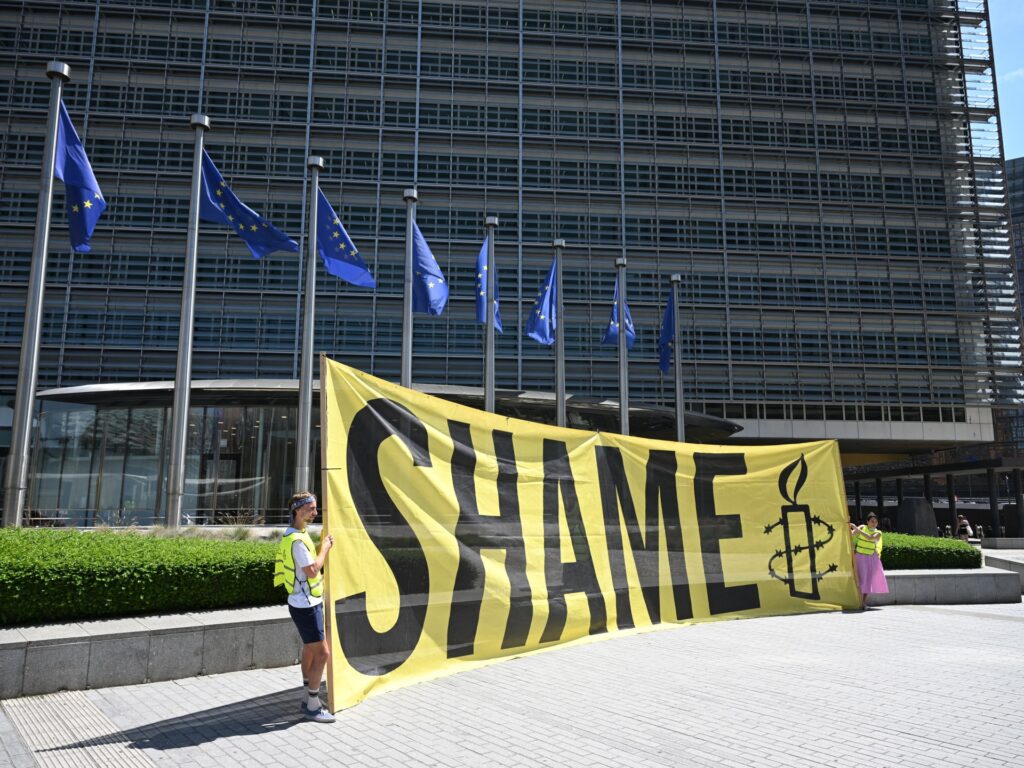
Human rights organizations have expressed concern over the ramifications of any agreement that involves deporting Afghan nationals to a country still in turmoil and lacking comprehensive guarantees for their safety.
Nevertheless, EU policymakers argue that maintaining open channels of communication can help mitigate risks associated with irregular migration and stabilize the broader region.
It is expected that further negotiations will continue, possibly leading to formal agreements that balance migration management objectives with stringent safeguards for vulnerable individuals.
The Brussels meeting underscores the difficult balance the EU faces between upholding its values and addressing pragmatic realities. As the migrant crisis persists, European countries will need to navigate complex diplomatic waters involving the Taliban government and other key stakeholders to find sustainable solutions.