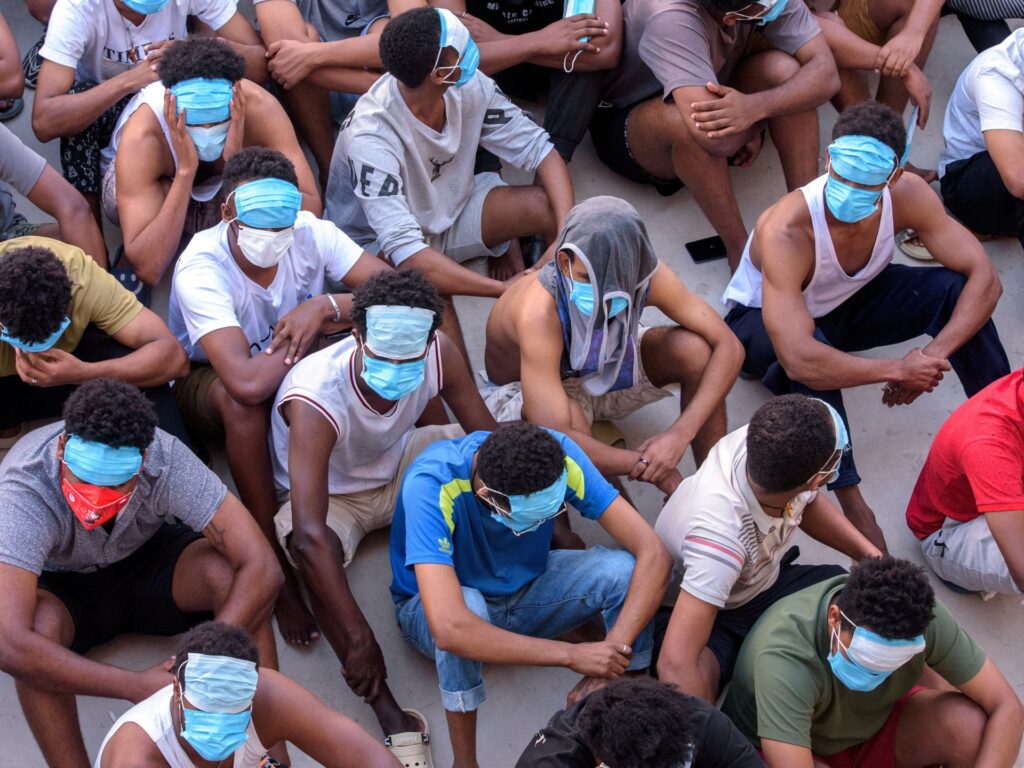
A recent report by a United Nations human rights group has brought to light the alarming situation of over 5,300 people currently detained in scam centres across Myanmar. These centres, which operate under the control of foreign nationals, have become hubs of illicit activities facilitated by organized criminal gangs.
The UN investigation found that the individuals running these establishments are often victims themselves, having been trafficked into Myanmar through coercion and deception. These trafficked foreign nationals are subsequently forced into managing the scam operations under threatening and exploitative conditions.
According to the report, scam centres in Myanmar have proliferated due to weak regulatory oversight and the country’s geopolitical vulnerabilities. The centres are primarily engaged in fraudulent schemes targeting victims worldwide, involving online scams, financial fraud, and identity theft. International law enforcement agencies have expressed concern over the transnational impact of these crimes.
The United Nations emphasizes that the victims held within these centres endure not only captivity but also psychological and physical abuse. Many detainees are held against their will, often in overcrowded and unsanitary conditions, while being forced to participate in the scams.
Human rights organizations have called for immediate international cooperation to dismantle the scam networks and provide humanitarian aid to those trafficked and detained. There is a pressing need for comprehensive rescue and rehabilitation programs to support the victims and bring perpetrators to justice.
This situation sheds light on the broader issue of human trafficking and exploitation in Southeast Asia, where vulnerable populations are at risk of being exploited by sophisticated criminal enterprises. The Myanmar government has been urged to increase law enforcement efforts and collaborate with neighboring countries to combat the criminal syndicates effectively.
Experts warn that without decisive action, the number of people trapped in such scam centres may rise, exacerbating the regional security challenges and harming thousands of innocent lives.
In conclusion, the UN report calls on the international community to recognize the gravity of the situation and mobilize resources towards eradicating the scam centres in Myanmar. Protecting human rights, promoting cross-border law enforcement cooperation, and supporting victims are critical steps towards ending this ongoing crisis.