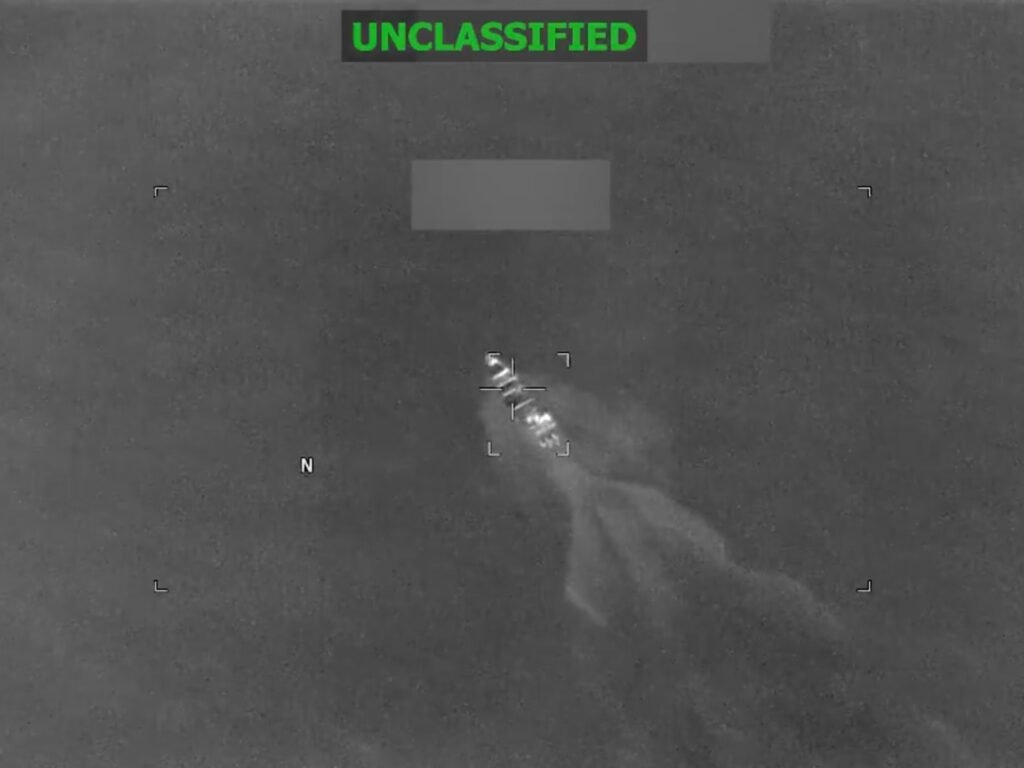
In a significant military operation, the United States conducted a strike on an alleged drug trafficking vessel in the Eastern Pacific, resulting in the deaths of two individuals. The operation was carried out with the objective of disrupting illicit drug routes that pose serious threats to regional and international security.
According to the United States Southern Command (SOUTHCOM), the strike targeted a boat believed to be involved in drug trafficking activities. While specific details about the operation and its execution remain limited, it is known that the strike effectively neutralized the threat posed by the vessel and its occupants.
The aftermath of the strike revealed that six male survivors were rescued after the incident. SOUTHCOM confirmed that it had informed the United States Coast Guard about these survivors. However, the command refrained from providing further details regarding the circumstances or process of their rescue.
This incident highlights the persistent challenges faced by international efforts to combat drug trafficking in the Eastern Pacific region. Drug traffickers continue to use sophisticated and risky maritime routes to transport large quantities of illegal narcotics, which exacerbate problems related to addiction, violence, and corruption globally.
The US military’s involvement in such operations is part of a broader strategy to interdict drug shipments before they reach consumer markets, thus attempting to dismantle criminal organizations that rely heavily on maritime trafficking corridors. Collaborations between various US agencies, including the Coast Guard and SOUTHCOM, are essential in executing these complex missions successfully.
Despite the operational success, such strikes are also reminders of the human cost involved and the risks faced by all parties engaged in these confrontations. Ensuring the safety and humane treatment of survivors remains a priority in compliance with international law and military protocols.
The Eastern Pacific continues to be a hotspot for maritime drug trafficking, with law enforcement and military agencies from multiple countries intensifying efforts to curb these activities. The striking of the alleged drug boat is likely to be one among several coordinated initiatives aimed at reducing the flow of narcotics.
Moving forward, continued vigilance and cooperation among regional partners and US forces will be critical in addressing the evolving tactics of drug trafficking organizations. Enhancing intelligence-sharing, surveillance capabilities, and rapid response actions are pivotal in disrupting these illegal operations effectively.
The US government has reaffirmed its commitment to combating illicit drugs and supporting regional security and stability through such decisive actions. Public communication from SOUTHCOM and related agencies serves to keep stakeholders informed while underscoring the complexities inherent in maritime interdiction operations.
As investigations and evaluations of the recent strike progress, further information regarding the origin, cargo, and affiliations of the targeted vessel may emerge, providing greater insight into the broader network involved in this drug trafficking episode.
In summary, the US strike on the alleged drug boat in the Eastern Pacific stands as a critical component of ongoing efforts to combat maritime drug trafficking, marking both an operational victory and a reminder of the continuous threats that plague this strategic region.