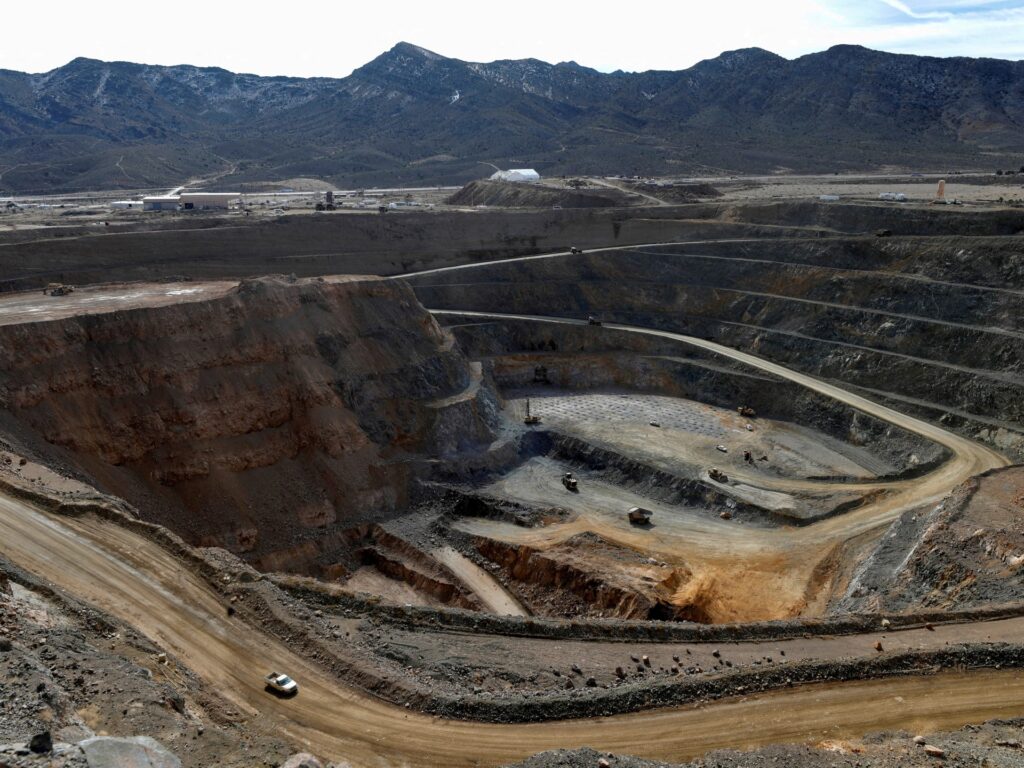
China has escalated trade tensions with the United States by adding 10 major American firms to its export control list. Among those newly listed is a rare-earth miner, a sector critical to many high-tech industries. This move represents a significant step in China’s efforts to regulate sensitive technology transfers and safeguard its economic and national security interests.
The decision comes in retaliation against recent U.S. actions targeting prominent Chinese companies. The Pentagon had earlier blacklisted several Chinese tech giants, including Alibaba and Baidu, citing concerns over national security and the companies’ alleged connections to the Chinese military.
By placing these U.S. firms under export restrictions, China aims to curb their access to Chinese technologies and materials, potentially disrupting their supply chains and business operations. The rare-earth sector, in particular, is vital since China dominates the global supply of these minerals, which are essential for manufacturing electronics, defense equipment, and renewable energy technologies.
This tit-for-tat policy escalation underscores the growing rivalry between the two economic superpowers amidst ongoing disputes over trade practices, technology dominance, and geopolitical influence. Both countries have increasingly used export controls and blacklists as strategic tools in their broader confrontation.
Industry experts warn that this development could lead to increased volatility in the global supply of critical materials like rare-earth elements, with possible impacts on technology manufacturing worldwide. Companies involved may face challenges in sourcing materials, complying with new regulations, and managing international partnerships.
China’s move may also signal further tightening of export controls on sensitive technologies, reflecting an increased focus on preventing strategic assets from reaching potential adversaries. The U.S. government is likely to monitor the situation closely and may consider countermeasures to protect American business interests.
This latest escalation is part of an evolving pattern of economic and technological friction between China and the U.S., illustrating the complex interplay of diplomacy, national security concerns, and global market dynamics shaping their relationship. Observers expect continued developments as both sides seek to assert control over critical industries and technologies in an increasingly multipolar world.