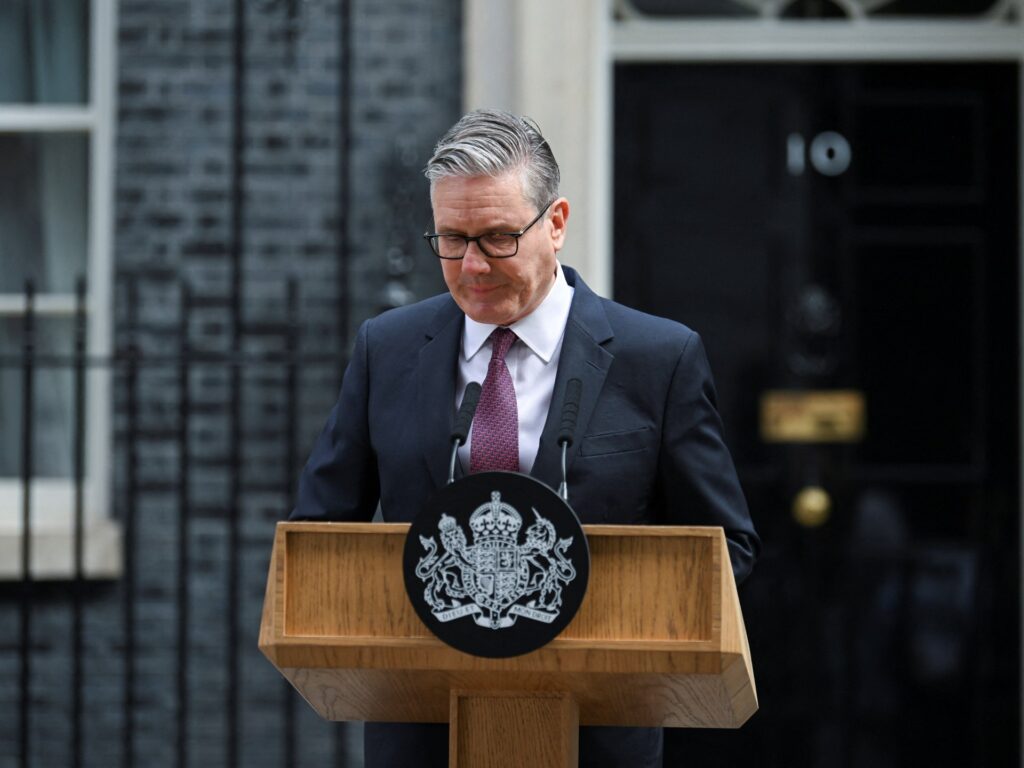
In a surprising development, the UK Prime Minister and leader of the Labour Party, Keir Starmer, has announced his resignation following months of mounting pressure due to declining popularity. Starmer, who came into office with strong public support, has faced a steady erosion in confidence among voters and party members alike.
The resignation marks a significant turning point for British politics, with the ruling party now entering a period of uncertainty as it seeks to find a new leader to steer the country forward. Analysts have pointed to several factors contributing to Starmer’s diminishing appeal, including economic challenges, public dissatisfaction with government policies, and internal party dissent.
Starmer’s tenure as Prime Minister saw ambitious efforts to reverse previous policies and implement reforms aimed at addressing social and economic inequalities. However, these initiatives encountered obstacles, leading to criticism from opposition parties and skepticism from some within his own ranks.
The Labour Party is now preparing for a leadership contest, with potential candidates expected to announce their bids in the coming weeks. The outcome of this leadership race will be crucial in determining the party’s direction ahead of the next general election.
Political commentators suggest that this resignation could trigger a period of instability, but also offers an opportunity for renewal within the Labour Party. Party members and supporters are hopeful that the new leader will restore public trust and confidence.
The UK government continues to manage critical issues such as the economy, healthcare, and foreign relations, making the leadership transition a delicate process. Experts emphasize the importance of a smooth handover to maintain governance and reassure both the public and international partners.
Keir Starmer addressed the nation in a brief statement, expressing gratitude for the opportunity to serve and wishing his successor success. His departure underscores the challenges faced by leaders in navigating the complexities of modern governance and public expectations.
As the country awaits the appointment of a new prime minister, focus turns to the future policies and priorities that will shape the UK’s path forward. The coming months are likely to be pivotal in redefining the political landscape and addressing the challenges that led to Starmer’s resignation.
This development has also sparked discussions on the role of leadership accountability and the pressures inherent in political life during turbulent times. The Labour Party’s ability to unify and present a coherent vision will be critical in regaining voter confidence and maintaining its position in British politics.