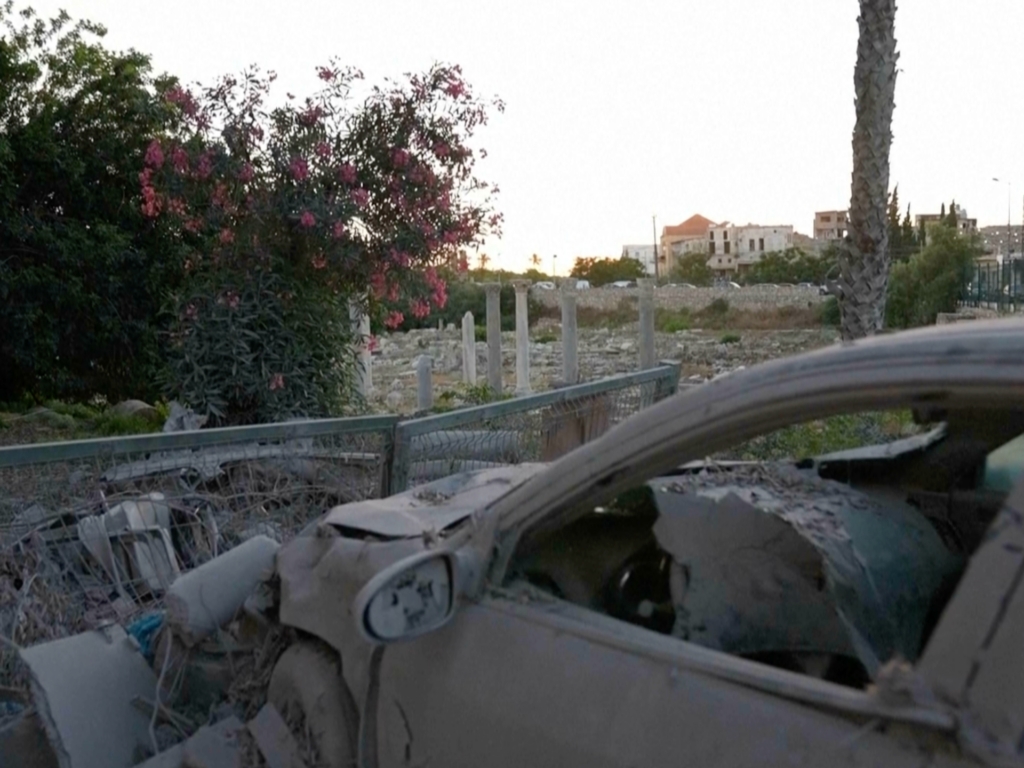
Lebanon, a country rich in ancient history and archaeological marvels, faces ongoing threats to its cultural heritage due to persistent tensions with Israel. The region’s ancient monuments, which include historic temples, Byzantine ruins, and Roman-era architecture, are increasingly at risk of damage or destruction amid military conflicts and airstrikes in the area.
Recent escalations between Lebanon-based groups and Israel have raised international concerns about the preservation of these irreplaceable sites. Lebanon’s Ministry of Culture, along with UNESCO and various heritage organizations, has issued warnings that repeated bombings and shelling could irreversibly destroy landmarks that have stood for millennia.
The monuments at risk include well-known sites such as Baalbek, Tyre, and Byblos, each recognized for their immense archaeological and historical significance. Baalbek’s grand Roman temples, including the Temple of Jupiter, are heralded as some of the best-preserved in the ancient world. Tyre, a UNESCO World Heritage Site, bears Phoenician and Roman remains dating back thousands of years. Byblos, one of the oldest continuously inhabited cities globally, contains artifacts from a range of civilizations.
Officials warn that beyond the immediate physical destruction from attacks, the instability in the region hampers ongoing archaeological research and conservation efforts. Access to these sites is often restricted or dangerous, preventing restoration projects and further endangering the heritage.
International cultural preservation advocates have called for increased diplomatic efforts and protective measures to safeguard Lebanon’s ancient treasures. They emphasize that the loss of these monuments would mean not only the destruction of national heritage but also a global cultural tragedy.
Lebanon’s cultural heritage represents a bridge connecting past civilizations and modern societal identity. Preserving these monuments amid political conflict remains an urgent challenge that demands collaborative, peaceful solutions to ensure that history does not become a casualty of war.