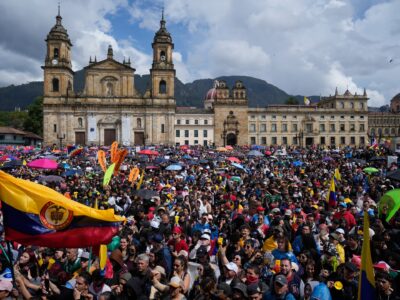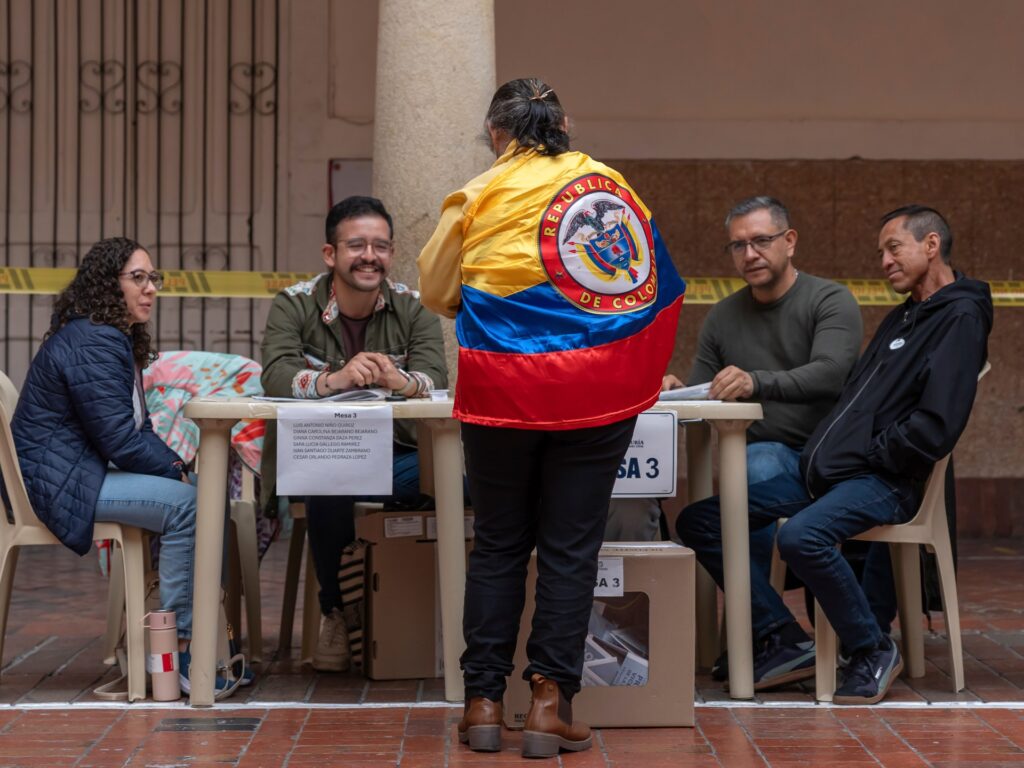
Colombians are preparing to cast their votes in an intensely anticipated presidential run-off election that will determine the country’s next leader. This decisive contest pits leftist candidate Ivan Cepeda against conservative contender Abelardo de la Espriella, marking a stark ideological divide at the heart of the electoral battle.
Ivan Cepeda, a prominent leftist figure, has gained significant traction with his promises of social reforms and addressing longstanding inequality within Colombia. Known for his advocacy on human rights and social justice, Cepeda appeals to voters yearning for systemic change and enhanced social welfare programs.
On the opposite end of the political spectrum stands Abelardo de la Espriella, a hardliner conservative with a tough stance on security and economic policies. De la Espriella campaigns on strengthening national security, combating crime firmly, and promoting free-market principles to stimulate economic growth.
The run-off election comes after no candidate secured an outright majority in the initial round, reflecting the polarized electorate deeply divided over the country’s future direction. The outcome of this vote is poised to have significant implications for Colombia’s domestic policies and its role in regional geopolitics.
Political analysts highlight that Cepeda’s vision resonates with younger voters and those marginalized by current economic structures, while de la Espriella’s base includes business sectors and conservative voters advocating for stability and traditional values.
The election debate has also brought to the forefront critical issues such as peace process implementation, economic inequality, corruption, and regional security.
International observers and neighboring countries are closely monitoring the electoral process, emphasizing the importance of a transparent and peaceful voting environment.
As Colombians prepare to head to the polls, the run-off promises to be a defining moment in the nation’s political landscape, capturing the tension between progressive reform and conservative governance. The decision made by voters will not only influence Colombia’s trajectory over the next presidential term but also potentially reshape its social and economic fabric.