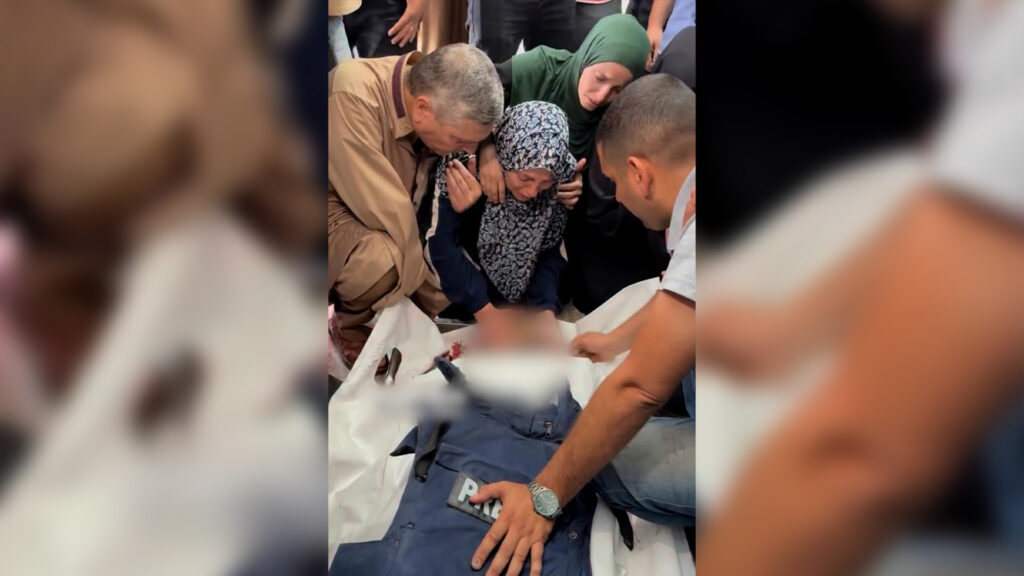
The tragic death of Ahmed Wishah, a cameraman for Al Jazeera, has sent shockwaves through the global media and human rights communities. Ahmed Wishah was killed in Gaza during an Israeli strike, a loss deeply felt not just by his family and colleagues, but by all who value press freedom and the protection of journalists in conflict zones.
The heartbreaking moment was captured when Ahmed’s mother first laid eyes on his body, sparking an intense wave of grief and sorrow. Her mourning is a stark reminder of the human cost behind the ongoing violence in Gaza. Ahmed Wishah was more than just a journalist; he was a dedicated professional committed to documenting truth and hardship amidst the tumult of war.
Ahmed’s death highlights the immense risks journalists face in areas of conflict, where their duty to report often places them directly in harm’s way. Despite international laws and conventions meant to protect media workers, incidents like these underscore the perilous environment in which many reporters operate daily.
Al Jazeera has condemned the killing of Ahmed Wishah, calling for a thorough investigation to hold accountable those responsible for his death. The network emphasized its commitment to press freedom and the safety of its staff, vowing to continue reporting from conflict zones with courage and integrity.
The incident has also reignited global discussions on the safety of journalists. Press freedom organizations and human rights groups have called on all parties involved in the conflict to respect the inviolability of professional journalists and ensure their protection.
Ahmed Wishah’s untimely death serves as a somber symbol of the sacrifices made by journalists worldwide to bring truth to light. His work in Gaza was a testimony to his bravery and dedication to his profession.
The broader context of the Israel-Gaza conflict has been marred by numerous casualties, with civilians and media persons alike bearing the brunt of escalated hostilities. This deadly toll resonates internationally as calls for ceasefire and peace gain momentum.
Ahmed’s mother’s public mourning has opened a window into the personal devastation felt by families of fallen journalists, humanizing the war’s impersonal statistics. Her sorrow is not only a personal grief but a poignant plea for peace and the protection of innocent lives.
In remembering Ahmed Wishah, the journalistic community worldwide honors his courage and commitment. His legacy challenges the international community to recommit to safeguarding press freedom and ensuring that journalists can report without fear of violence or retribution.
The incident serves as a grim reminder of the urgent need for stronger protective measures for journalists in conflict zones. As the world mourns Ahmed Wishah, it also calls for action to prevent such tragedies from recurring.
In sum, the death of Ahmed Wishah is not merely an isolated tragedy but a catalyst for renewed efforts to uphold the rights and safety of journalists everywhere. His story is a call to all—governments, international bodies, and civil society—to ensure that those who risk their lives to tell the truth do not do so in vain.