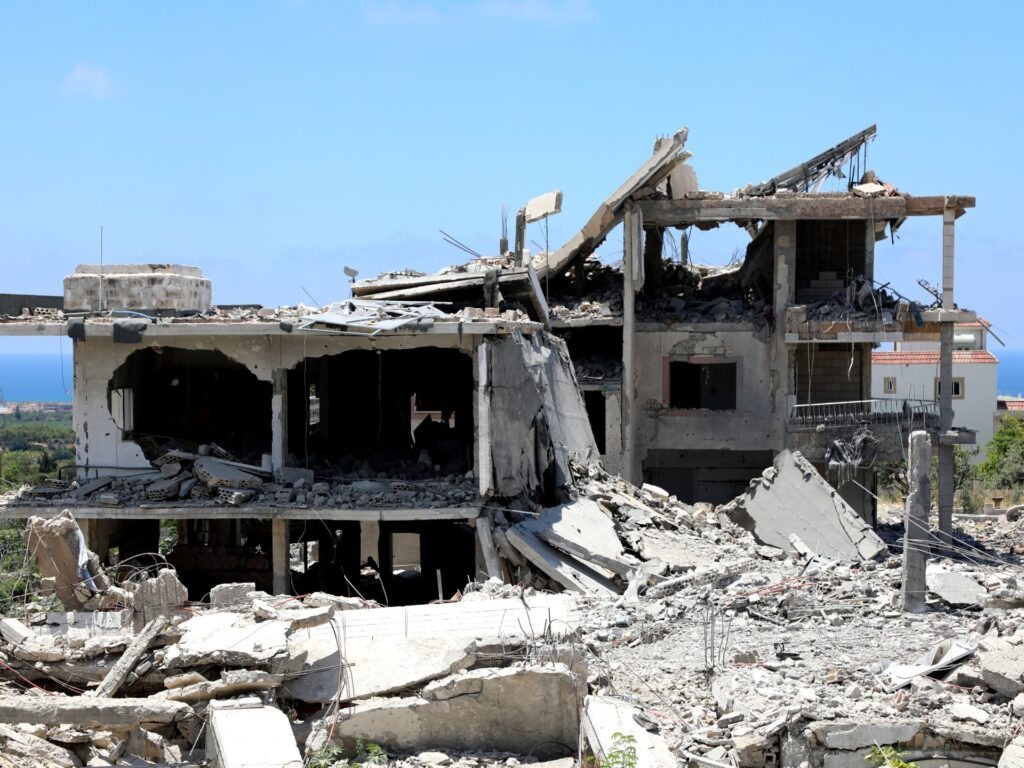
A recent wave of Israeli strikes in Lebanon has resulted in the deaths of 32 people, escalating tensions in the region and putting the fragile US-Iran peace talks at significant risk. The attacks come at a crucial time when key figures in the United States, including Witkoff and Kushner, are reported to be preparing for resumed negotiations with Iran after a period of postponement.
The Israeli military has intensified its operations in Lebanon, targeting what it describes as militant strongholds linked to Hezbollah, an Iranian-backed group. This escalation has led to casualties, widespread destruction, and heightened fears of a broader conflict in the Middle East. The loss of innocent lives has drawn condemnation from various international actors, calling for restraint and a renewed focus on diplomatic solutions.
Amid these developments, US officials are navigating a complex diplomatic landscape. Reports indicate that Witkoff, a seasoned diplomat, alongside Jared Kushner, former senior advisor to the US President, are preparing for critical discussions with Iranian representatives. The goal is to revive stalled talks aimed at addressing Iran’s nuclear program, regional activities, and potential pathways to peace.
The Israeli strikes have complicated these efforts by exacerbating distrust and hostility between the involved parties. Iran, a staunch supporter of Hezbollah, has condemned the attacks and warned of potential retaliation, which further threatens to destabilize the region.
The peace talks, initially postponed due to various logistical and political challenges, were seen as a beacon of hope for reducing tensions and fostering cooperation. However, the recent violence underscores the fragile nature of the current situation. Diplomatic insiders suggest that without immediate de-escalation, the prospects for a successful negotiation may diminish significantly.
International stakeholders, including European nations and the United Nations, are calling for urgent dialogue to prevent further bloodshed and to protect the chance for peace. They emphasize the importance of maintaining communication channels open and urge all parties to resume negotiations in good faith.
The broader impact of the Israeli strikes extends beyond the immediate casualties, affecting geopolitical alliances and the stability of the broader Middle East. As the US prepares to engage more deeply in peace efforts with Iran, the risk of the conflict spilling over into a wider regional confrontation remains a concern.
In conclusion, the recent Israeli strikes in Lebanon have not only caused tragic loss of life but have also cast a shadow over the ongoing efforts to negotiate peace between the US and Iran. The international community now faces the urgent challenge of calming tensions, fostering dialogue, and ensuring that the momentum toward peaceful resolution is not lost amidst escalating violence.