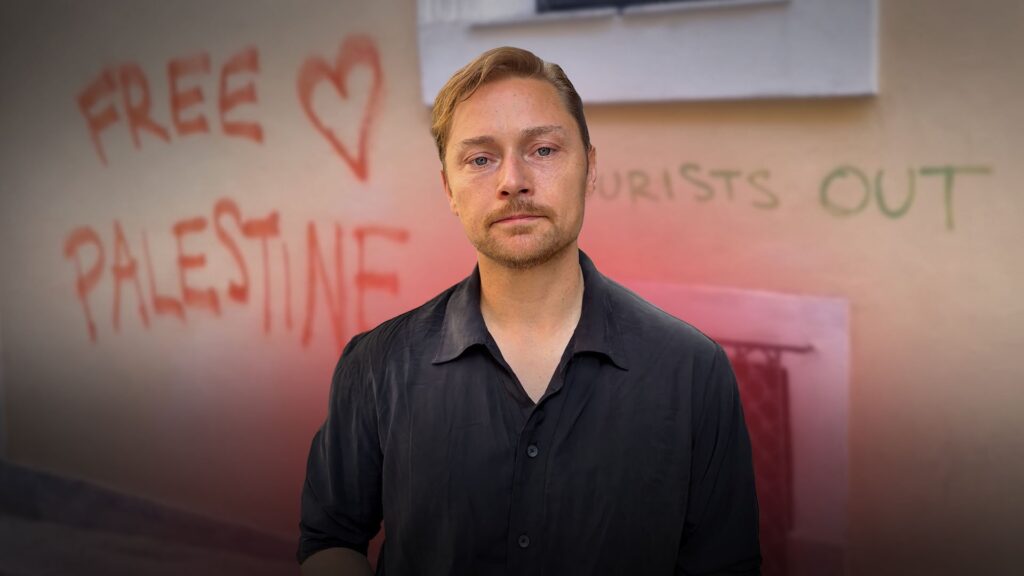
In the vibrant neighborhoods of Athens that have long been known for their strong pro-Palestinian sentiment, the recent surge of Israeli buyers entering the local real estate market has ignited a wave of resentment and tension among residents. These areas, deeply supportive of Palestinian causes politically and culturally, view the influx of Israeli investors as more than mere economic activity—it is seen as a symbolic intrusion, stirring complex feelings about identity, solidarity, and the ongoing conflict in the Middle East.
For years, Athens’s pro-Palestinian communities have maintained a visible and vocal stance against Israeli policies in the occupied territories, organizing demonstrations, cultural events, and community discussions. The arrival of Israeli buyers, who are seeking properties for business or residence, has been interpreted by some locals as an act undermining their community’s values and political expressions.
Real estate agents and local officials confirm an uptick in purchases by Israeli nationals in these traditionally sympathetic neighborhoods, which has raised eyebrows and sparked debates about the implications. Some residents fear that these acquisitions could lead to gentrification, altering the social fabric and potentially diluting the area’s pro-Palestinian identity. Others worry about increased surveillance or shifts in local power dynamics.
Despite these concerns, proponents of the property sales argue that business interests should transcend political differences, emphasizing the importance of economic development and intercultural exchange. They note that Athens has historically been a crossroads of diverse cultures and that economic ties could foster dialogue and mutual understanding.
However, the emotional weight of the Israeli-Palestinian conflict remains palpable in the hearts of many Athenians. Community leaders have called for open conversations to address fears and seek common ground, striving to balance economic opportunities with the preservation of deeply held political and social convictions.
This development in Athens sheds light on the complexities faced by diaspora communities and cities that become microcosms of wider geopolitical struggles. It highlights the tension between economic globalization and local identities anchored in historical and political narratives. As this story unfolds, it will be crucial to monitor how these dynamics influence both the community’s cohesion and Athens’s broader sociopolitical landscape.