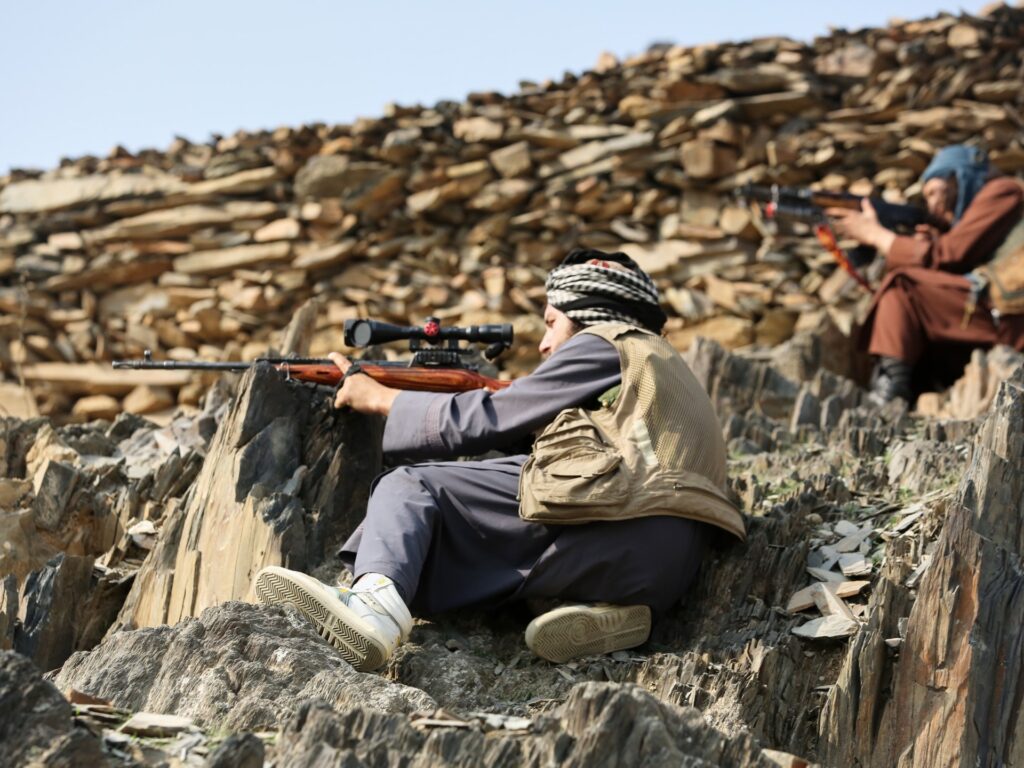
In a recent escalation that threatens regional stability, Afghanistan conducted strikes on targets within Pakistani territory, raising significant concerns over cross-border tensions. This development marks a critical setback to the already fragile ceasefire agreement between the two neighboring nations.
The ceasefire, which had been cautiously observed in recent months, aimed to reduce hostilities and foster peaceful dialogue between Afghanistan and Pakistan. However, the latest military actions underscore the volatility of the situation and the challenges involved in sustaining peace in the region.
Details of the strikes reveal that Afghan forces targeted several strategic locations in Pakistan, purportedly in response to what Kabul describes as ongoing cross-border insurgent activities. Pakistani officials have condemned the attacks as violations of sovereignty, calling for immediate cessation and a return to diplomatic negotiations.
Analysts highlight that the border region between Afghanistan and Pakistan has long been a flashpoint due to intertwined ethnic ties, militant groups, and historical tensions. The Durand Line, which demarcates the boundary, remains disputed, further complicating bilateral relations.
The international community has expressed concern over the renewed hostilities, urging both parties to exercise restraint and return to the negotiating table. There are fears that continued unrest could destabilize the wider region, affecting security and economic development.
Pakistani military representatives have vowed to defend their territory against any aggression, signaling that they are prepared for potential retaliatory actions. Conversely, Afghan leaders assert that their operations are defensive measures aimed at curbing militant threats emanating from Pakistani soil.
Humanitarian groups have warned of the potential impact on civilians living in border areas, who often bear the brunt of such conflicts through displacement and disruption of daily life. Reports of casualties and damage to infrastructure are emerging, adding urgency to calls for a ceasefire.
This escalation follows a period of tentative cooperation on various fronts, including counter-terrorism efforts and border management. The breakdown in the ceasefire may jeopardize progress made in these areas, undermining long-term stability.
Experts suggest that addressing the root causes of conflict, including border disputes and militant infiltration, is essential for a durable peace. Confidence-building measures, facilitated by neutral parties, could help de-escalate tensions and promote dialogue.
In summary, the recent Afghan strikes on Pakistani targets have raised a critical alarm over the fragile nature of peace between the two countries. The situation demands urgent diplomatic engagement to prevent further deterioration and to secure lasting stability in the region.