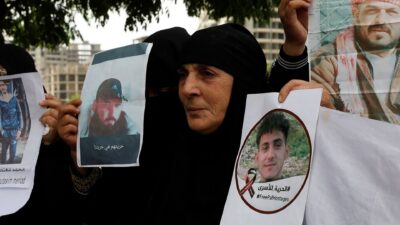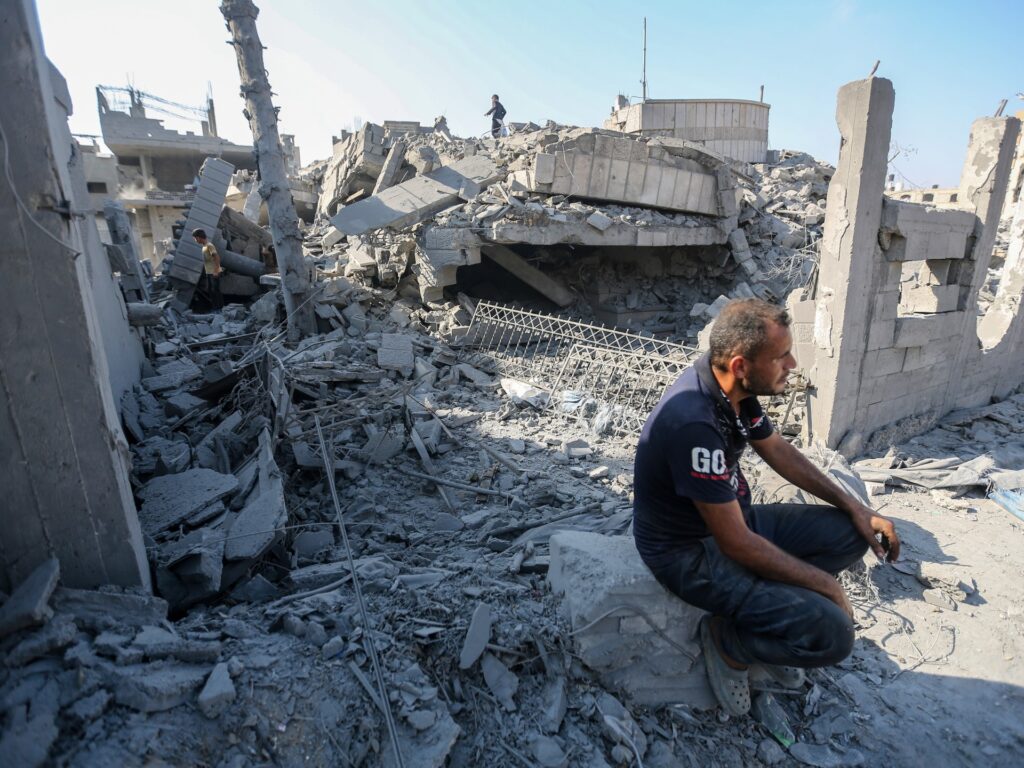
In recent days, Gaza has witnessed a sharp escalation in violence as Israeli military strikes have intensified, resulting in dozens of fatalities. This surge in conflict comes shortly after a US-brokered agreement between Israel and Hamas, which was heralded by international observers as a significant breakthrough aimed at disarmament and restoring fragile calm in the region.
The deal, which was intended to ease tensions through mutual concessions, promised a reduction in hostilities and steps toward disarming Hamas’s military wing. However, contrary to expectations, the aftermath saw an increase in Israeli airstrikes targeting key locations in Gaza, including densely populated urban areas and militant strongholds.
According to reports, the Israeli Defense Forces (IDF) launched multiple attacks over several days following the announcement of the agreement. These strikes reportedly resulted in the deaths of dozens of Palestinians, including several civilians, exacerbating the humanitarian crisis in the blockaded territory.
Palestinian health officials in Gaza have described the situation as dire, with hospitals overwhelmed by casualties and shortages of essential medical supplies worsening. The infrastructure damage from ongoing airstrikes has also hindered emergency response efforts, further complicating the plight of Gaza’s residents.
The US administration, which played a central role in brokering the agreement, expressed concern over the increase in violence but reiterated its commitment to ensuring the deal’s objectives. Officials emphasized that the path toward lasting peace remains complex and fraught with challenges from entrenched hostilities on both sides.
International reactions have been mixed. Some governments have called for urgent de-escalation and renewed dialogue, while others have criticized what they perceive as disproportionate use of force by Israel. Human rights organizations have condemned the killing of civilians and urged all parties to adhere to international humanitarian law.
Analysts suggest that the recent surge in violence may stem from deep-seated mistrust and divergent interpretations of the deal’s terms. They argue that for any disarmament agreement to hold, both Israel and Hamas must engage in transparent dialogue and confidence-building measures.
Local leaders in Gaza have voiced outrage and sorrow over the continued bloodshed, warning that further escalation could lead to a wider regional conflict. Meanwhile, residents on both sides of the border face escalating fear and uncertainty amid the ongoing hostilities.
As the situation remains volatile, international mediators are reportedly working behind the scenes to revive negotiations and prevent further deterioration. The coming days are critical for establishing whether the disarmament deal can serve as a foundation for durable peace or whether it will be overshadowed by ongoing violence.
This latest chapter in the long-standing Israeli-Palestinian conflict underscores the profound difficulties in achieving sustainable peace. The humanitarian toll in Gaza, coupled with security concerns in Israel, highlights the urgent need for a renewed commitment to diplomacy and respect for human rights.