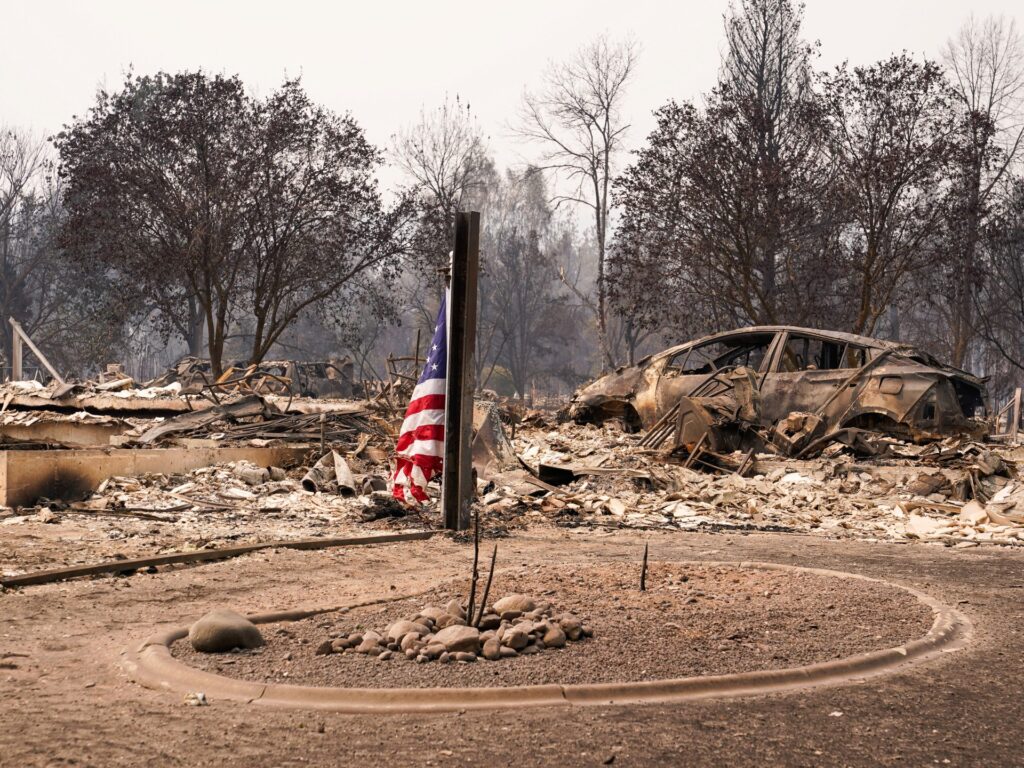
Washington State is currently grappling with a devastating wildfire crisis, with the fires near Spokane drawing significant attention due to their rapid spread and intensity. Several factors contribute to the severity of these wildfires, making them particularly challenging to control and mitigate.
Firstly, the weather conditions have been a major catalyst. Elevated temperatures, prolonged drought, and low humidity create an environment that is highly conducive to wildfire ignition and proliferation. Over recent months, Eastern Washington, including Spokane, has experienced unusually dry conditions. This lack of moisture dries out vegetation, turning it into highly flammable fuel that can easily catch fire and sustain burning.
Secondly, extensive drought conditions have left forests and grasslands parched. The dry vegetation acts like tinder, causing even the smallest spark—whether from natural causes like lightning or human activity—to rapidly escalate into large and uncontrollable fires. The reduced soil moisture also impairs the ability of plants to recover, meaning the landscape remains vulnerable for extended periods.
Moreover, Spokane’s specific geography and topography play a role. The mix of forested areas and grasslands, combined with prevailing winds, allows fires to spread faster and farther. Wind not only fans the flames but also carries hot embers ahead of the fire front, igniting new fires and expanding the affected area rapidly.
Another contributing factor is the accumulation of dead wood and other organic debris due to years of fire suppression policies. These materials act as additional fuel loads, intensifying the fires’ heat and speed.
Human factors also influence the crisis. Increased development near forested areas raises the chances of accidental ignitions from machinery, campfires, and other sources. Climate change is exacerbating conditions by increasing the frequency of heat waves and early snowmelt, further drying soils and vegetation.
Efforts to combat these fires involve large-scale firefighting deployments using aerial and ground resources. However, the intensity and spread rate pose significant challenges. Evacuations and community preparedness have become critical components in managing risk and ensuring safety.
In summary, Washington’s wildfire crisis, particularly around Spokane, is the result of a perfect storm of environmental, climatic, geographic, and human factors. Understanding these causes is essential for developing better prevention strategies and enhancing response capabilities to protect lives, property, and natural resources from increasingly severe wildfires.