In recent political tensions, the United States Vice President has publicly criticized members of Israel’s government for their harsh criticisms of US President Donald Trump’s approach to the Iran nuclear deal. This diplomatic dispute highlights the complicated relationship between the two countries regarding Middle East policy.
The controversy centers on President Trump’s efforts to renegotiate or alter the 2015 Iran nuclear agreement, formally known as the Joint Comprehensive Plan of Action (JCPOA). The deal was initially crafted under President Obama and lifted certain sanctions on Iran in exchange for restrictions on its nuclear program. However, the Trump administration has expressed strong skepticism about the deal’s effectiveness in curbing Iran’s nuclear ambitions.
Israel, a key US ally in the Middle East, has been vocal in its opposition, arguing that the agreement is dangerous and does not adequately prevent Iran from acquiring nuclear weapons. Several Israeli government officials have publicly criticized Trump’s handling of the issue, suggesting that his approach might undermine regional security.
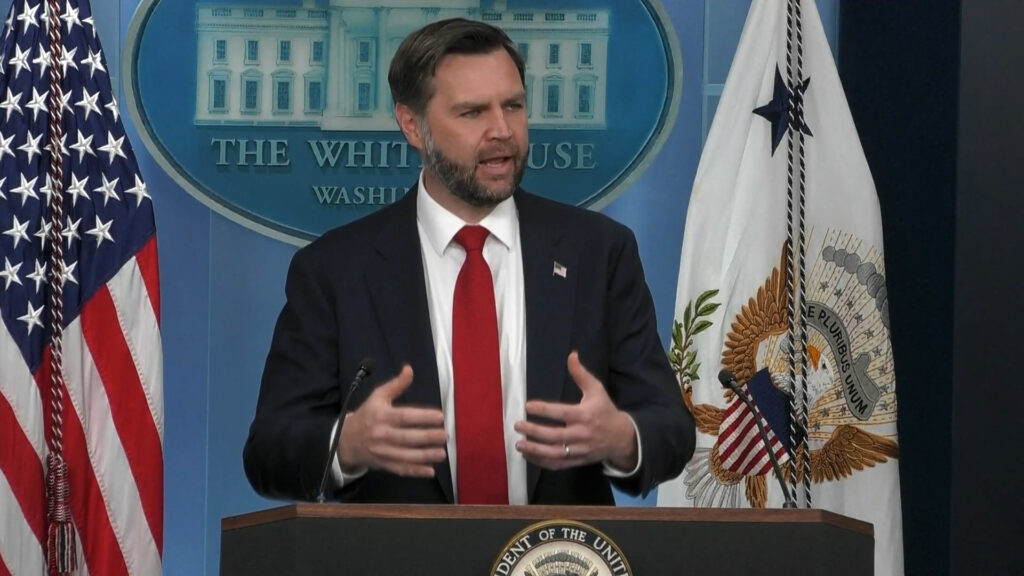
In response, Vice President JD Vance explicitly condemned Israel’s government for their criticisms. Vance stated that such public rebukes were unhelpful and argued that the United States must maintain a united front with its closest allies while negotiating with Iran. He emphasized that the administration’s goal is to protect US interests and encourage a stronger, more enforceable agreement.
This clash underscores the delicate balance the Trump administration must navigate in managing international alliances and pressing security concerns. While Israel remains a critical partner, differing strategies on Iran have caused friction between the two governments.
Experts believe that for any future Iran deal to succeed, cooperation between the US and Israel will be crucial. The Vice President’s remarks signal a desire to calm tensions and present a cohesive stance moving forward.
In broader terms, the episode reflects ongoing debates within global diplomacy on how best to handle Iran’s nuclear ambitions without escalating conflict. It also illustrates the challenges leaders face in maintaining alliances amid divergent priorities.
The Trump administration’s push to rework the Iran deal continues to evoke strong reactions. As discussions evolve, it remains to be seen how US-Israel relations will adapt and whether a new framework on Iran can be achieved that satisfies both American and Israeli concerns.
Ultimately, this political episode sheds light on the complex interplay of international relations in the 21st century, where cooperation and criticism both play roles in shaping policy outcomes.