In a significant development in Middle Eastern geopolitics, Pakistan has officially stated that the Memorandum of Understanding (MoU) signed by the United States and Iran is now in effect. This accord, reportedly signed by former U.S. President Donald Trump and Iranian legislator Pezeshkian, outlines critical steps towards de-escalation in a region long plagued by conflict.
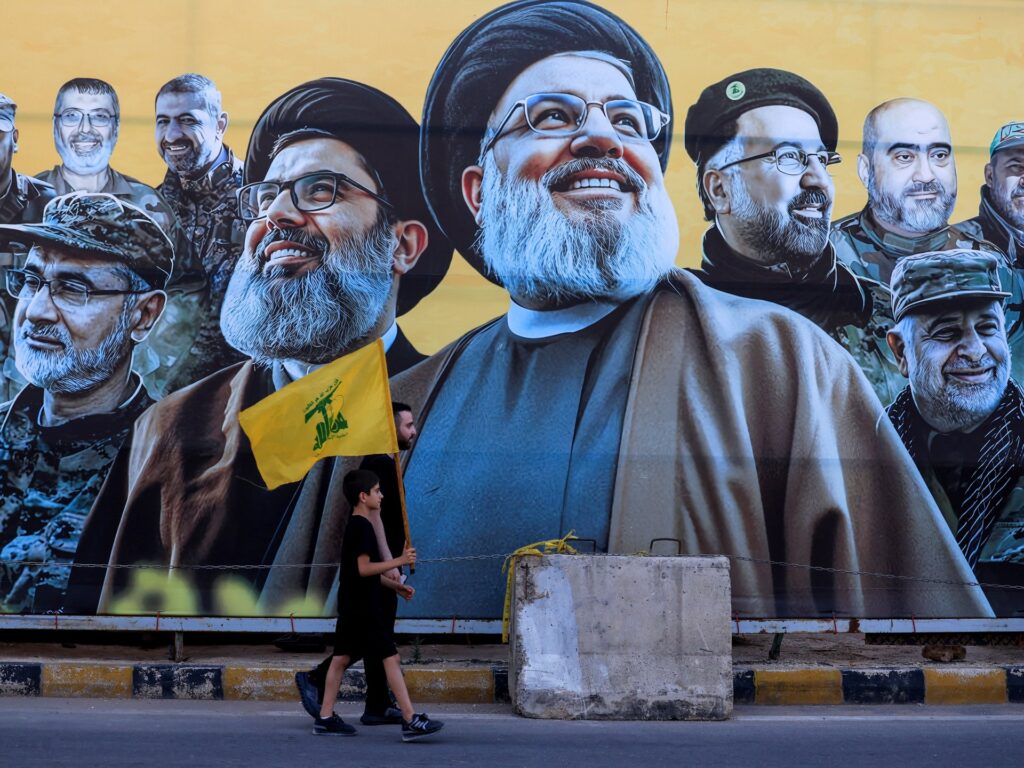
According to statements issued by representatives from both sides, the deal incorporates a commitment to end hostilities in Lebanon, a country that has been a focal point of conflict involving various regional and international actors. The agreement reportedly aims to foster peace and stability in Lebanon, where ongoing tensions have jeopardized both local and regional security.
Moreover, a crucial aspect of the MoU is the reopening of the Strait of Hormuz, one of the world’s most strategically important waterways. The strait serves as a vital transit route for a substantial portion of the global oil supply. Its closure or blockade during heightened tensions has previously caused significant disruptions in international energy markets. The reopening signifies a step towards normalizing international maritime navigation and reducing the risk of conflict-induced economic shocks.
The declaration by Pakistan underscores its role as a regional mediator and a proponent of diplomatic solutions to conflicts affecting its neighborhood. Pakistan’s confirmation of the MoU’s effectiveness signals an endorsement of the peaceful resolution of disputes through dialogue rather than military confrontation.
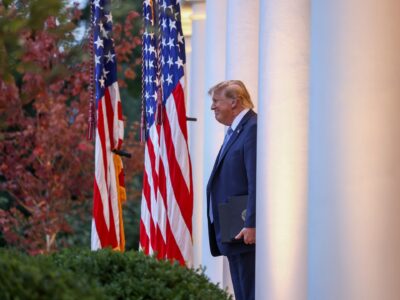
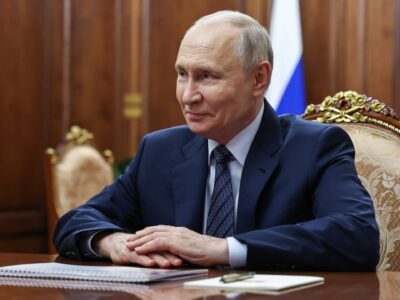
The signing of this agreement by Trump and Pezeshkian marks a rare moment of direct engagement between U.S. and Iranian officials, which historically have maintained a contentious relationship. Both parties have expressed a mutual interest in de-escalating tensions and fostering conditions conducive to broader regional peace.
Observers note that while the announcement is positive, the implementation of such agreements often faces challenges, including political opposition, verification issues, and external influences. The international community remains watchful to see if these commitments will translate into tangible changes on the ground.
This development comes amid a backdrop of fluctuating U.S.-Iran relations, regional rivalries, and ongoing security concerns in the Middle East. The MoU could serve as a foundation for further dialogue and cooperation aimed at resolving long-standing conflicts and promoting stability.
In summary, Pakistan’s confirmation that the MoU is in effect following the signing by Trump and Pezeshkian represents a hopeful step towards ending warfare in Lebanon and reopening a critical maritime passage. The international community will be keenly monitoring the situation as stakeholders work towards turning these diplomatic agreements into reality.