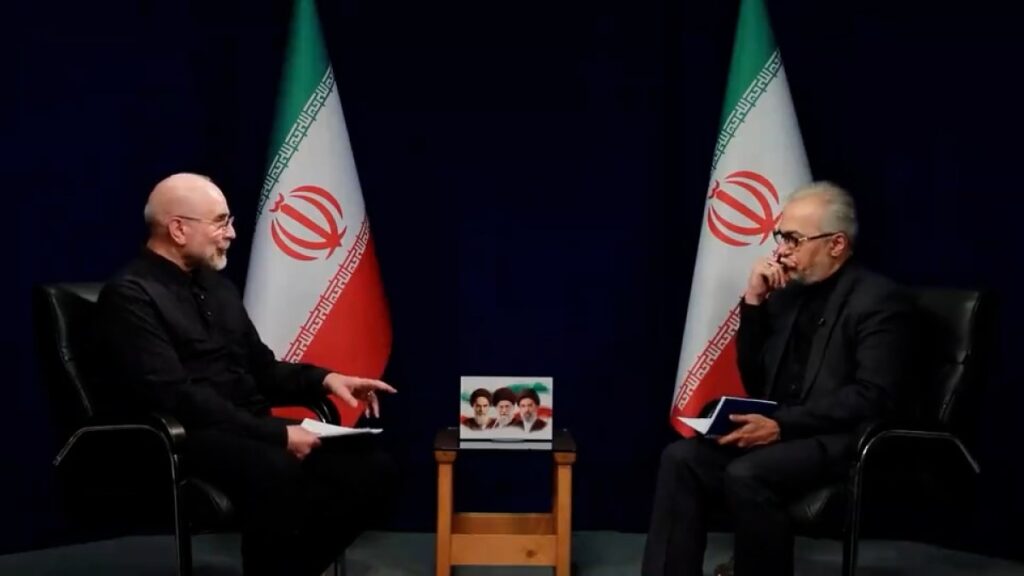
In recent statements, Mohammad Bagher Ghalibaf, a prominent Iranian political figure, emphasized the superiority of diplomatic talks over warfare in achieving tangible outcomes. Ghalibaf’s remarks highlight a growing recognition among leaders about the benefits of dialogue and negotiation as tools for resolving conflicts, as opposed to the traditionally destructive methods of war.
Ghalibaf pointed out that, historically, wars have resulted in immense human suffering, economic damage, and long-lasting political unrest, often failing to secure lasting peace or progress. In contrast, he argued, discussions and diplomatic engagements have the potential to create sustainable solutions, foster mutual understanding, and open channels for collaborative advancement.
The context of Ghalibaf’s comments is significant, given the ongoing regional tensions and global conflicts that continue to pose risks for many nations. By advocating for talks, he is urging governments and policymakers to prioritize dialogue and peaceful engagement as preferred strategies.
Analysts note that Ghalibaf’s views resonate with a broader international trend where there is a renewed emphasis on diplomacy, multilateral discussions, and conflict resolution mechanisms that do not rely on violence. This shift promises potential benefits, including reduced casualties, economic stability, and more durable peace agreements.
Furthermore, Ghalibaf emphasized that while military strength can be a factor in national security, it should not overshadow the importance of diplomatic efforts. He advocated for investing more in diplomatic channels, negotiation skills, and conflict prevention strategies.
In conclusion, Ghalibaf’s stance reinforces the idea that sustainable peace and progress are best achieved through dialogue. His insights serve as a call to action for global leaders to reconsider their approaches to conflict and opt for solutions that promote cooperation and shared development rather than confrontation and destruction.