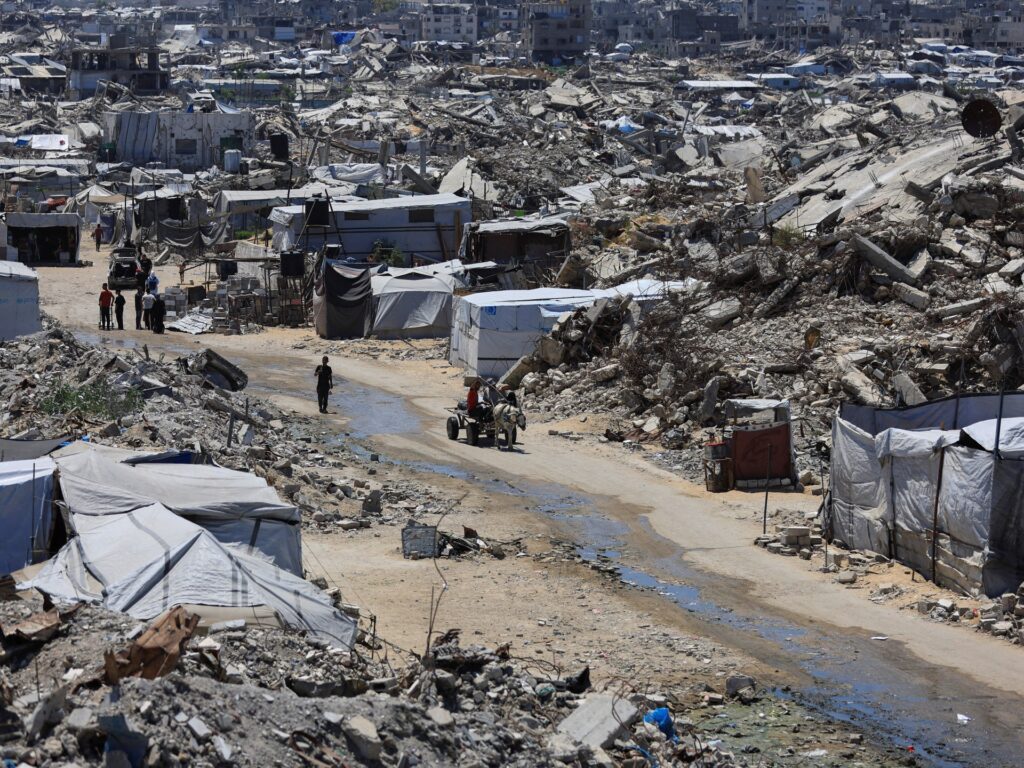
The death toll in Gaza has tragically surpassed 1,000 people despite a US-brokered ceasefire agreement between Hamas and Israel. The ceasefire, intended to halt violence and bring respite to civilians caught in the conflict, has not fully succeeded in preventing casualties. The situation remains dire as tensions continue to simmer in the region.
The ceasefire was brokered with the aim of reducing hostilities and allowing humanitarian aid to reach affected populations in Gaza. However, sporadic clashes and incidents of violence have persisted, contributing to the rising number of casualties. Both sides continue to accuse each other of violations, complicating efforts to maintain peace.
Human rights organizations have expressed deep concern over the ongoing loss of life and have called for renewed efforts to ensure the ceasefire is respected. The civilian population in Gaza continues to bear the brunt of the conflict, facing dire conditions due to both violence and restrictions on aid and movement.
The US-led diplomatic efforts highlight the complexity of the situation in Gaza, where political, territorial, and security issues intersect. The international community remains engaged in pushing for a lasting peace, but the recent developments highlight the fragility of ceasefire agreements in volatile regions.
As the death toll exceeds 1,000, humanitarian agencies are urging for greater access to provide medical assistance, food, and shelter to those affected. The rising number of casualties since the ceasefire underscores the critical need for sustained and effective peacekeeping measures.
The ongoing violence also has regional implications, potentially destabilizing broader Middle Eastern relations and increasing the risk of further escalation. This period serves as a stark reminder of the urgent need for comprehensive solutions that address the root causes of the conflict, rather than temporary ceasefires.
In conclusion, while the ceasefire was intended to save lives and foster peace, its limited success in Gaza signals the challenges that remain. The increase in casualties is a sobering call to action for all parties involved and the international community to redouble efforts towards achieving a sustainable and just resolution in the region.