In a tense escalation of the ongoing conflict in the Middle East, Israeli strikes have killed four individuals in southern Lebanon. These attacks come amid delicate ceasefire negotiations taking place between Iran and the United States, highlighting the fragile state of regional stability.
The recent drone attacks targeted vehicles in the Nabatieh region of southern Lebanon, an area known for its strategic importance and history of conflict. These strikes resulted in significant casualties and have heightened tensions in an already volatile zone.
Nabatieh, located near the border with Israel, has frequently been a flashpoint for clashes between Israeli forces and militant groups operating out of Lebanon. The latest attacks underscore the continuing cycle of violence that complicates diplomatic efforts aimed at achieving a ceasefire.
Ceasefire talks between Iran and the US are seen as critical to de-escalating hostilities that have long plagued the Middle East. Iran, a key supporter of militant groups in Lebanon, is a central player in the conflict dynamics, and its engagement with the US could pave the way for broader peace initiatives.
However, the drone strikes demonstrate the challenges in translating diplomatic negotiations into tangible peace on the ground. The timing of the attacks has led to concerns that hardline elements may be undermining the ceasefire efforts, potentially triggering further violence.
International reactions to the strikes have been one of cautious condemnation. Many global powers have urged restraint and called for immediate cessation of hostilities to prevent a wider conflict. The United Nations has also emphasized the importance of diplomacy and dialogue in resolving the crisis.
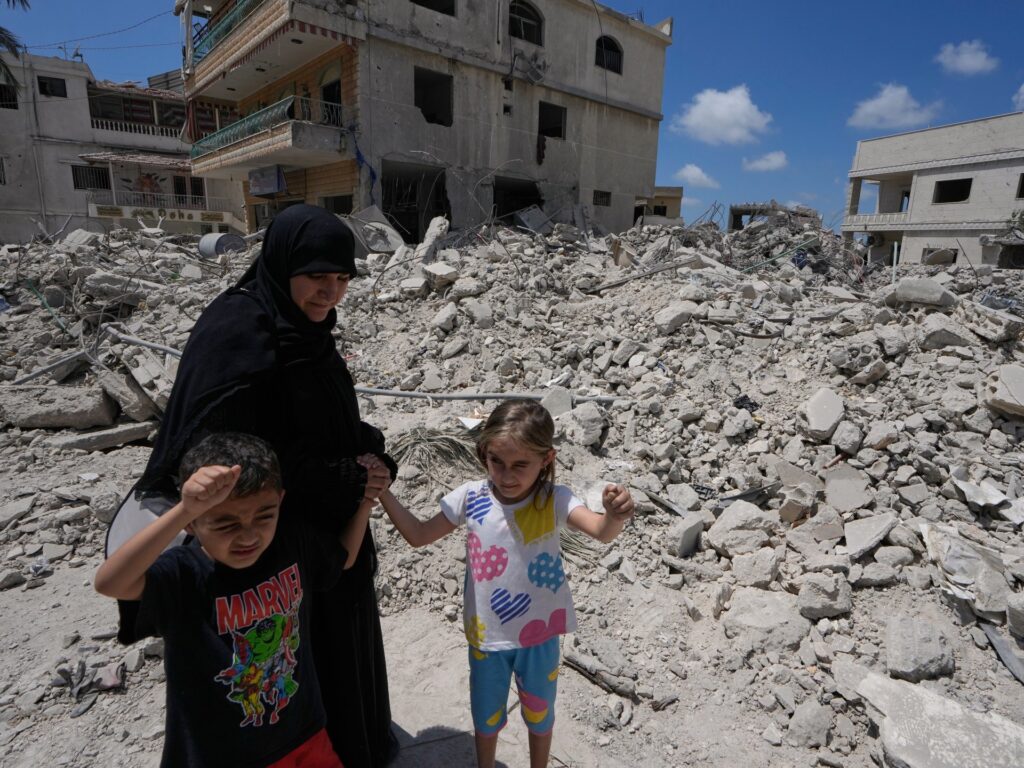
Local communities in southern Lebanon are bearing the brunt of the ongoing violence, facing not only the immediate dangers of military strikes but also disruptions to daily life and humanitarian challenges. Aid organizations are calling for increased support to assist those affected by the conflict.
The Israeli government has not provided extensive details regarding the rationale behind the strikes, but earlier statements indicate they are part of ongoing security operations aimed at neutralizing perceived threats from militant groups.
Meanwhile, diplomatic channels remain active, with both Iran and the US expressing a desire to continue talks despite the setbacks. Observers suggest that while the situation is precarious, there remains a window of opportunity to reach a ceasefire agreement.
Analysts warn that without a concerted effort from all parties to curb violence and engage in meaningful dialogue, the risk of escalation into a broader conflict remains high. The situation in southern Lebanon is a microcosm of the larger regional tensions that require careful navigation by international actors.
In summary, the Israeli strikes in southern Lebanon have resulted in four deaths amidst ongoing ceasefire negotiations between Iran and the US. The drone attacks in Nabatieh highlight the fragility of peace efforts and underscore the urgent need for renewed commitment to diplomacy and conflict resolution in the Middle East.