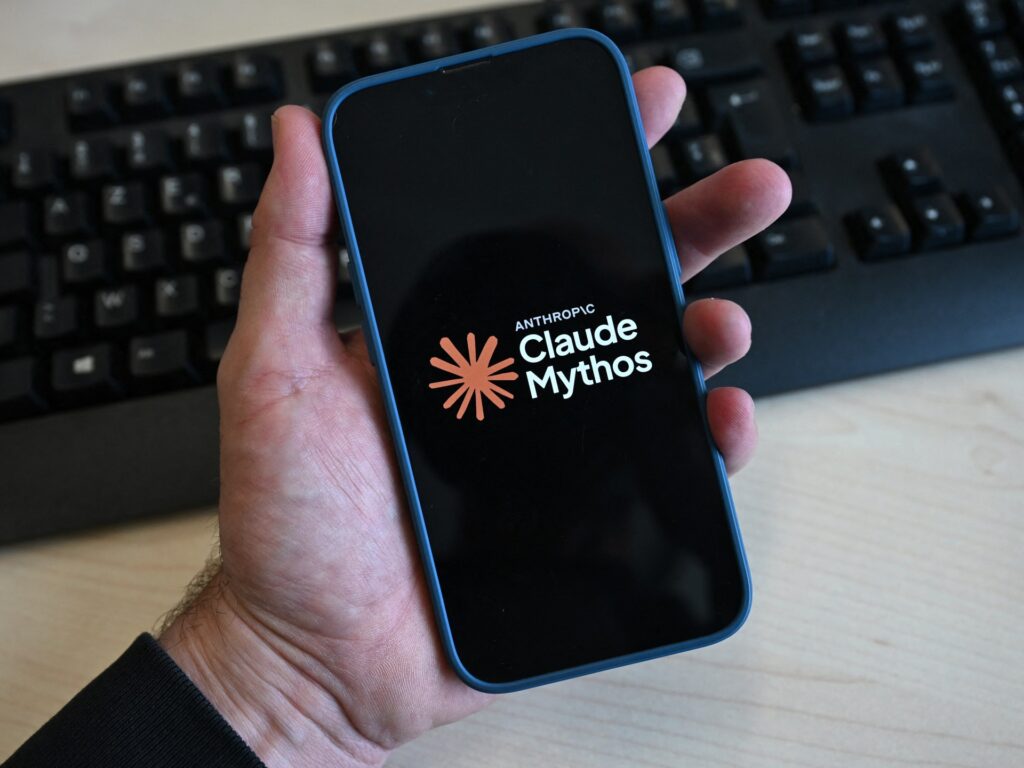
In a recent development, the US government has issued an export control directive to Anthropic, a leading artificial intelligence company, mandating the suspension of access to two of its AI models, Fable 5 and Mythos 5, for all foreign nationals. This directive reflects increasing regulatory scrutiny over the distribution and use of advanced AI technologies across international borders.
Anthropic confirmed receiving the directive and announced it is complying by disabling access to these specifically named models for users outside the United States. The move aims to prevent sensitive AI technology from being accessed or exploited by foreign entities, aligning with broader US national security and export control policies.
Fable 5 and Mythos 5 are among Anthropic’s state-of-the-art AI systems designed for various applications, including natural language processing, content generation, and interactive AI services. The restriction poses significant implications for Anthropic’s global user base, potentially limiting access for researchers, developers, and businesses outside the US who rely on these tools for innovation and product development.
This export control directive exemplifies the complex intersection between technological innovation, international relations, and regulatory frameworks. The US government’s actions are part of broader efforts to monitor and control the proliferation of critical AI technologies that could impact economic competitiveness and national security.
Industry experts note that such measures could lead to fragmentation in the global AI ecosystem, with different countries imposing their own restrictions and controls. This fragmentation may affect collaboration, data sharing, and the overall pace of AI advancements globally.
Anthropic’s compliance with the directive highlights the challenges AI firms face in navigating geopolitical tensions and regulatory demands. Companies must balance innovation, market access, and compliance with evolving legal frameworks.
The directive also raises questions about the future of AI accessibility and the potential impacts on international AI cooperation. Stakeholders across sectors will be closely watching how such regulations influence AI research, cross-border partnerships, and technology dissemination.
As AI continues to expand in capability and influence, governments worldwide are increasingly inclined to implement controls aimed at safeguarding national interests while fostering responsible development and deployment of AI technologies.
In summary, the US order requiring Anthropic to restrict foreign nationals’ access to Fable 5 and Mythos 5 signals a tightening in the control and export of cutting-edge AI systems. It underscores the growing role of government oversight in the rapidly evolving AI landscape and the complex balance between technological progress and security considerations.