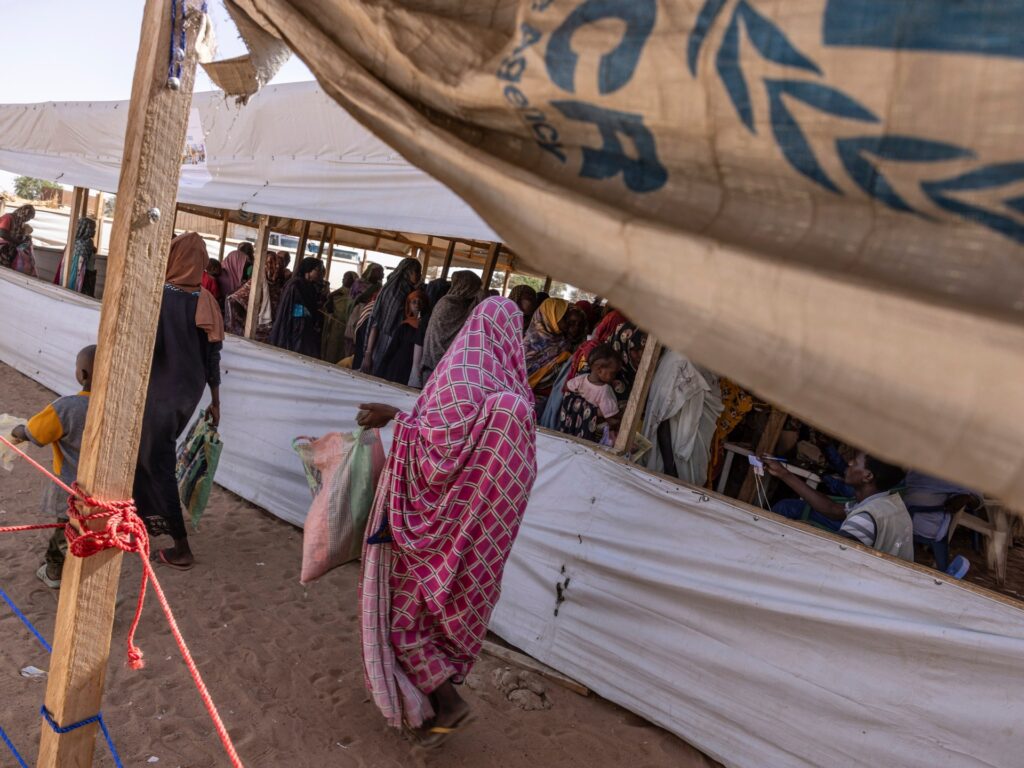
Doctors Without Borders (Médecins Sans Frontières or MSF), a globally recognized humanitarian organization, is under scrutiny following an investigation revealing exploitation of staff members in Chad. The organization, which employs tens of thousands of local and foreign workers to respond to crises across multiple countries, has faced growing challenges regarding the management and welfare of its employees in the field.
MSF has a long history of providing medical aid in conflict zones, natural disaster areas, and regions with limited healthcare infrastructure. Chad, a country beset by ongoing humanitarian challenges including poverty, conflict, and displacement, has been a significant site for MSF’s operations. The organization’s workforce in Chad comprises both local staff and international employees tasked with delivering crucial assistance amid these difficult conditions.
The investigation, conducted internally and corroborated by external sources, found evidence of exploitation practices by some staff members towards their colleagues. Reports indicate that abuse of power, coercion, and unfair treatment have occurred, undermining the safety and dignity of workers who dedicate themselves to life-saving missions. These findings have sparked concerns about the oversight mechanisms within the organization and the broader ethical responsibilities of humanitarian groups operating in vulnerable settings.
One of the critical issues highlighted is the imbalance of power between international staff and local employees. Local workers often face precarious employment conditions, lower wages, and limited avenues for raising grievances without fear of retaliation. The investigation suggests that these disparities can lead to exploitation, including excessive work demands, discrimination, and inadequate protection from abuse.
MSF has acknowledged the gravity of the findings and committed to comprehensive reforms aimed at addressing these issues. The organization plans to enhance staff training on ethics and rights, strengthen internal reporting systems, and implement stricter monitoring to prevent further exploitation. Additionally, MSF aims to improve transparency regarding employment practices and ensure that all workers receive fair treatment regardless of their origin or role.
Experts in humanitarian work emphasize that organizations like MSF bear a significant responsibility not only to provide aid to vulnerable populations but also to protect their workforce from harm. Ensuring an equitable and respectful work environment is crucial for maintaining the integrity and effectiveness of humanitarian efforts.
The revelation of exploitation in Chad serves as a broader call to action for NGOs worldwide to examine their internal cultures and safeguards. The crisis underscores the importance of balancing aid delivery with robust labor protections, especially in settings where power imbalances are pronounced.
As MSF moves forward with its reforms, the humanitarian community will be watching closely. Stakeholders, donors, and beneficiary communities alike expect the organization to uphold the highest standards of conduct, reflecting the principles upon which it was founded.
Ultimately, this investigation highlights a pivotal moment for Doctors Without Borders and similar organizations. It challenges them to confront difficult truths and act decisively to foster workplaces where all staff members, irrespective of nationality or position, work in dignity and safety. In doing so, they can better fulfill their mission to save lives and alleviate suffering in some of the world’s most challenging environments.