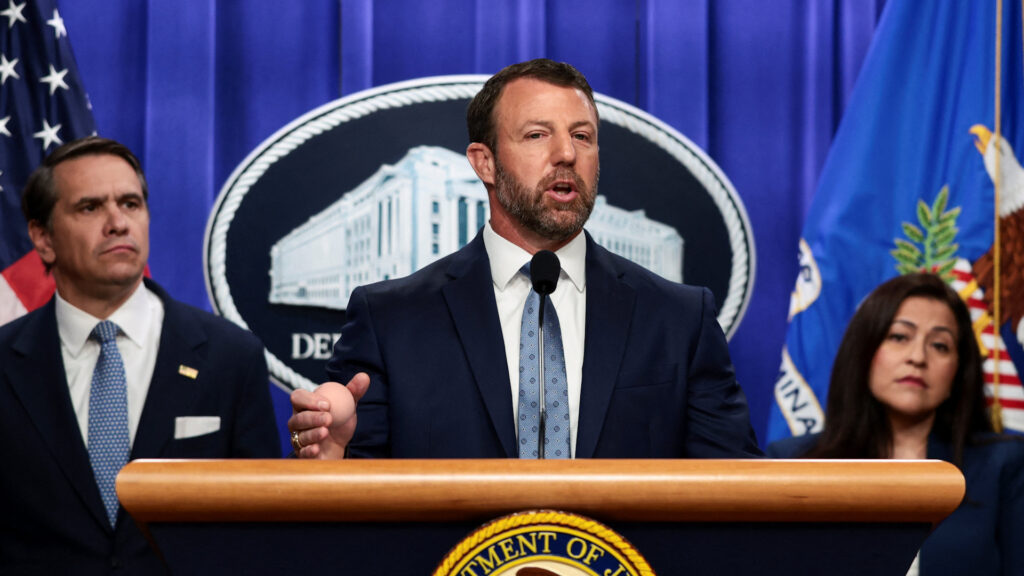
In recent developments surrounding the World Cup, the United States has come under scrutiny for denying visas to certain officials and fans, preventing them from attending the major international sporting event. The US government has formally defended these visa denials, citing adherence to established immigration laws and security protocols.
The World Cup, a global football tournament that garners massive international attention, requires participants and supporters from various countries to obtain visas for entry into host nations. The United States, one of the world’s key travel hubs, plays a critical role in processing these visas, especially for transit or related travel purposes.
Critics of the visa denials have argued that they unfairly targeted individuals connected to the tournament, potentially undermining the spirit of international sportsmanship and global unity that the World Cup promotes. Concerns have been expressed by various stakeholders, including some World Cup officials and fans who had planned to travel through the US or require US visas for entry.
In its response, the US government emphasized that visa issuance is a sovereign right governed by policies to ensure national security and proper vetting of applicants. Officials stated that each visa application is reviewed on its merits and subjected to stringent background checks, and that some applications were denied based on these thorough assessments.
The controversy has sparked a broader conversation about the balance between security measures and the facilitation of cultural and sporting exchanges. While security remains paramount, international observers and stakeholders have called for transparency and fairness in visa processing to avoid unnecessary disruptions.
This incident highlights the complexities faced by countries in managing visa policies during large-scale international events such as the World Cup, where fostering a welcoming environment for fans and officials must be weighed against legitimate security concerns.
Looking forward, there is anticipation that diplomatic dialogues may continue between the US and relevant international bodies to ensure smoother travel procedures in future events. Efforts to improve communication, streamline visa processing, and address concerns raised by affected individuals are expected as part of ongoing discussions.
Ultimately, the US defense of visa denials underscores the challenges in balancing national interests with global cooperation during high-profile international events. The World Cup remains a pinnacle of international sports, and ensuring access while upholding security standards will be a critical issue for all host and transit countries moving forward.