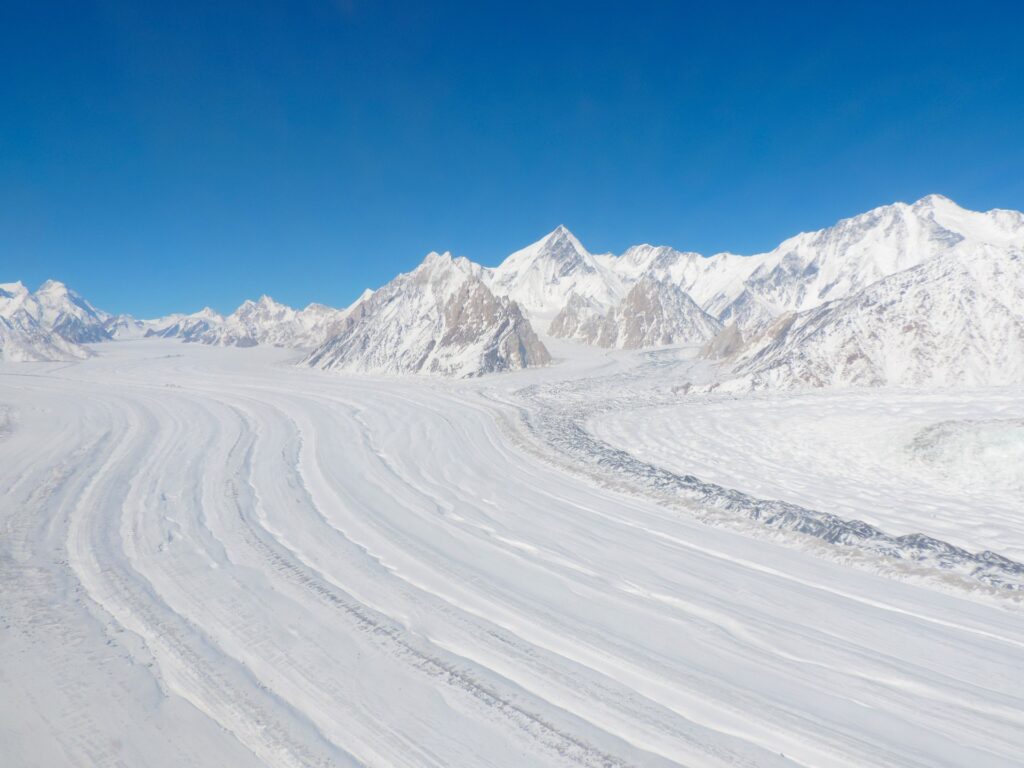
The India-Pakistan conflict, historically marked by clashes over the disputed Kashmir region, remains one of the world’s most intense and persistent geopolitical struggles. Despite the truce brokered in May following their most recent war, the region continues to witness alarming levels of violence and fatalities, especially in the world’s highest battlefield.
The mountainous terrain, characterized by its extreme altitudes and harsh weather, has long been a lethal battleground. Located largely along the Line of Control (LoC)—the de facto border between Indian-administered and Pakistani-administered territories—the region remains a flashpoint for military engagements. Both nations maintain heavily fortified positions, with regular exchanges of fire, artillery shelling, and infiltration attempts.
Following the May conflict, a ceasefire agreement was reached to halt hostilities and reduce tension. However, this truce has failed to completely stem the bloodshed. Resupply operations, reconnaissance missions, and small-scale skirmishes have persisted, causing casualties on both sides. The challenging geography exacerbates the deadly nature of encounters, with avalanches, freezing temperatures, and treacherous terrain contributing to losses alongside direct combat.
The ongoing violence has profound humanitarian consequences. Civilians living near the frontlines face displacement, destruction of property, and constant fear. The military buildup consumes enormous resources, diverting funds from essential development projects. Additionally, the psychological toll on soldiers deployed in these high-altitude zones is severe, with conditions demanding exceptional resilience.
International observers and peace advocates continue to urge both India and Pakistan to engage in sustained dialogue to resolve their differences through diplomacy rather than warfare. Confidence-building measures such as controlled border crossings, communication hotlines, and cultural exchanges have been suggested to foster trust.
The world’s highest battlefield remains a symbol of the broader challenges that South Asia faces—a complex mixture of historical grievances, national pride, and strategic calculations. Without a lasting resolution, the cycle of violence is likely to continue, perpetuating a costly conflict in a treacherous mountain landscape where every inch costs lives.
This persistent state of war in such extreme conditions underscores the urgent need for renewed efforts toward peace, offering hope for a future where the mountain battleground can become a place of reconciliation rather than endless conflict.