The United States has resumed its military attacks on Iran for the second consecutive night, escalating tensions in an already volatile region. The US Central Command characterized these strikes as a response to what it described as “Iran’s unwarranted and continued aggression.” This marks a significant development in the ongoing conflict between the two nations, underscoring the fragile state of diplomacy and security in the Middle East.
According to the US Central Command, the recent attacks are a deliberate effort to counter Iran’s aggressive actions, which have reportedly threatened regional stability and US interests. The military operations, conducted overnight, targeted strategic locations believed to be linked to Iranian military capabilities and influence.
This series of attacks signals a shift in the US approach, emphasizing a more confrontational stance compared to previous diplomatic efforts. Officials have framed the military response as a form of “negotiation with bombs,” suggesting that force is being used as a tool to deter further Iranian provocations.
Iran has condemned the US strikes as violations of its sovereignty and has vowed to retaliate against what it calls American aggression. The Iranian government has also called for international intervention to halt the escalating conflict, warning that continued attacks could lead to broader regional instability.
The international community has expressed concerns over the renewed hostilities. Several countries and organizations have urged restraint from both parties to prevent the conflict from spiraling out of control, potentially impacting global security and economic stability.
Experts note that the escalation could have far-reaching consequences, including disruptions to global oil supplies and increased risk of direct confrontation between the US and Iran’s allies in the region.
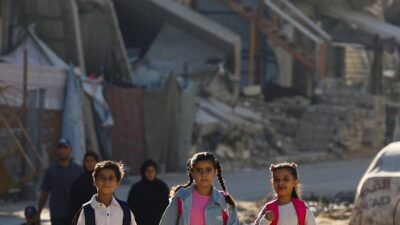
In communities across the Middle East, the renewed conflict has sparked fears of a wider war. Civilians face uncertainty and danger as military actions increase, highlighting the devastating human cost of ongoing geopolitical disputes.
As the situation develops, diplomatic channels remain tense. Efforts by international mediators to bring both sides to the negotiating table continue, but recent attacks have cast doubt on the possibility of peaceful resolution in the near term.
The US administration has stated its goal is to protect its national security interests and those of its allies in the region. However, critics argue that the military approach risks exacerbating tensions and undermines prospects for diplomacy.
In conclusion, the US resuming attacks on Iran for the second night in a row marks a worrying intensification in their conflict. Described by the US Central Command as a necessary response to Iran’s aggression, the actions have escalated fears of broader instability while highlighting the complex challenges of achieving peace in the region.