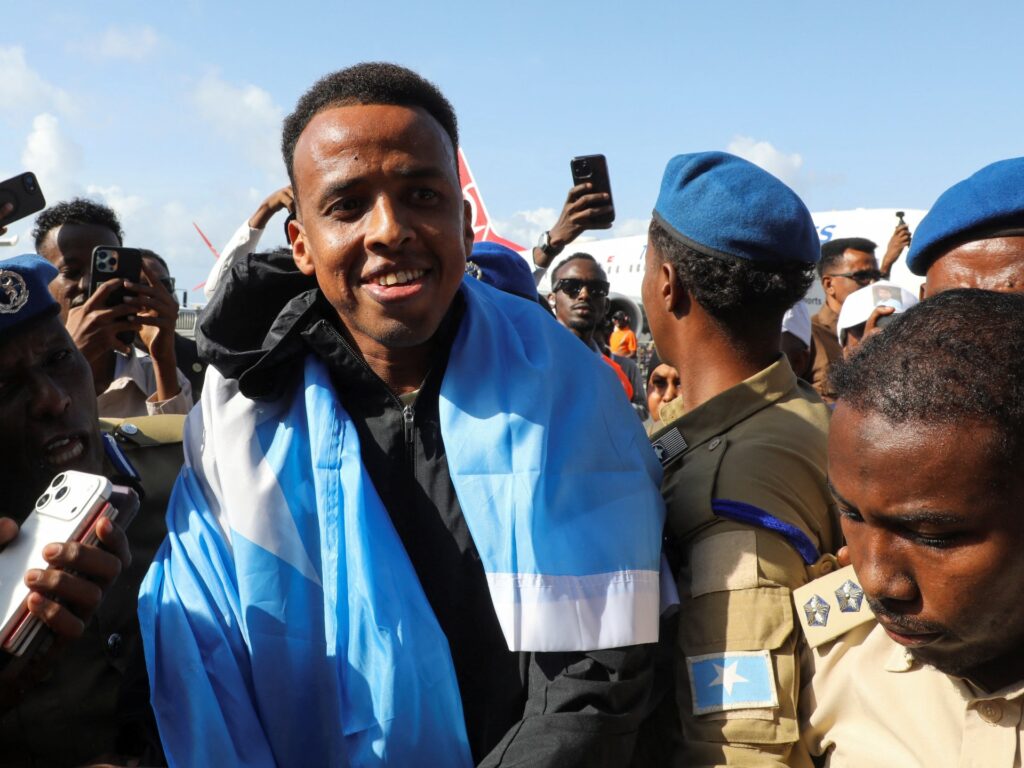
In a remarkable and unprecedented moment, a Somali referee, the first ever from Somalia to be selected for the prestigious FIFA World Cup, was denied entry into the United States. This incident occurred just as the world’s most celebrated football tournament was getting underway. The referee, who rose through the ranks playing on the dusty pitches of Mogadishu, had earned tremendous respect and admiration for breaking new ground for Somali sports professionals.
His journey to becoming a World Cup referee is a testament to his dedication, skill, and perseverance, highlighting the rising sporting talent emerging from Somalia despite the country’s many challenges. The selection was hailed as a historic achievement, inspiring many younger athletes and officials in Somalia and across the African continent.
However, this celebratory spirit was dampened when the referee was refused entry at the U.S. border. The reasons for the denial remain unclear, but it has sparked significant controversy and disappointment among football fans, officials, and human rights advocates worldwide.
The World Cup, hosted by the United States, is a global stage celebrating diversity and unity through football. The exclusion of an official from the country based on a stringent and opaque border decision contrasts starkly with the inclusive ethos of the tournament.
Supporters and Somali officials have called for transparency and reconsideration of the border authorities’ decision, urging that the referee be allowed to fulfill his role in the tournament. The incident has also raised broader questions about the treatment of African sports professionals and the challenges they face in international arenas.
International football organizations have expressed their concern and are reportedly engaging with U.S. officials to seek a resolution. The Somali Football Federation, alongside FIFA, is also advocating strongly for the referee’s right to participate, emphasizing the importance of equal opportunity and non-discrimination.
This episode has cast a shadow over what should have been a proud moment for Somalia and the world’s football community. It underscores the complex intersection of sports, politics, and immigration policies in a world that often struggles to balance national security concerns with international cooperation and cultural exchange.
As the World Cup progresses, many are watching closely to see if diplomacy and dialogue can overcome this unfortunate incident. The referee remains a symbol of hope and resilience for many, and his struggle to partake in the sport he loves is a powerful reminder of the ongoing hurdles faced by athletes and officials from less represented nations.
This story continues to unfold, symbolizing not just a missed opportunity for a dedicated referee but also a call to greater inclusivity and fairness in international sports events.