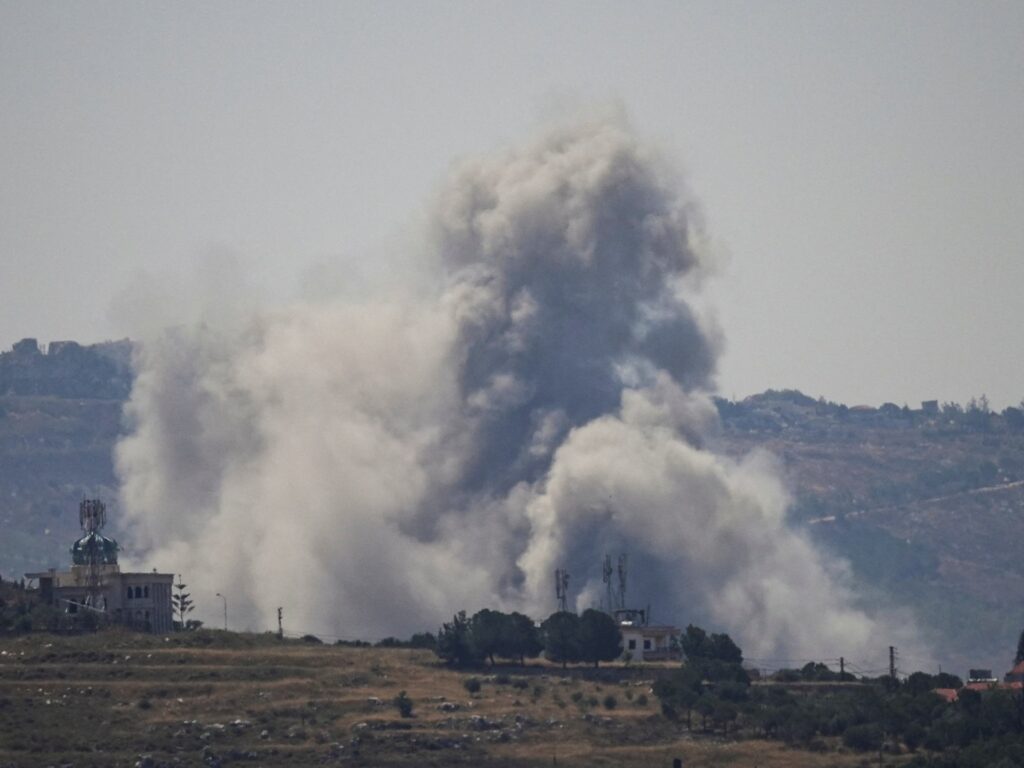
A recent violent confrontation in southern Lebanon resulted in the deaths of 14 people, following a series of exchanges of fire between Israeli forces and Iran-linked militants. This latest escalation underscores the intensifying tensions in the region, amid mounting warnings from Iran of severe retaliation if Israeli attacks in Lebanon persist.
The incident unfolded as Israeli military forces engaged with armed factions believed to be supported by Iran, marking one of the deadliest exchanges in recent months. The violence erupted in southern Lebanon, a known hotspot for clashes between Israeli troops and various militant groups aligned with Tehran.
Iran issued a stern warning prior to the flare-up, threatening “crushing blows” should Israel continue its assaults in Lebanese territories, including the southern regions. This statement amplified concerns over the potential for a broader conflict involving multiple regional actors.
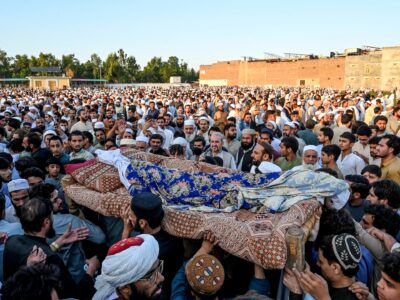
The 14 fatalities reported include combatants and, potentially, civilians caught in the crossfire. The precise details surrounding the casualties remain unclear, as both sides have released conflicting accounts of the events leading up to the violence.
International observers and local populations have expressed deep concern over the escalating conflict, fearing it may destabilize the already fragile security situation in Lebanon and the broader Middle East.
The United Nations and other diplomatic entities have called for restraint from all parties involved and urged for renewed dialogue to de-escalate tensions. The situation remains fluid, with the possibility of further military engagements if diplomatic efforts fail.
This episode is part of a larger narrative of ongoing hostility between Israel and Iranian-backed groups, which has repeatedly flared along Lebanon’s southern border. The conflict reflects the broader geopolitical struggle for influence in the region, with Lebanon often serving as a battleground for proxy confrontations.
The repeated exchanges of fire have also raised alarm about the humanitarian implications for local communities living near the border zones. Displacement, casualties, and infrastructure damage are pressing concerns as hostilities continue.
Efforts by international mediators to foster peace and stability in Lebanon face significant challenges, given the entrenched positions of the involved parties and the complex web of alliances.
This recent episode serves as a stark reminder of the fragile nature of peace in the Middle East and the ongoing risks posed by such conflicts to regional and international security.
Moving forward, it remains critical for all sides to engage in de-escalation and seek pathways to peaceful resolution to prevent further loss of life and instability in the region.