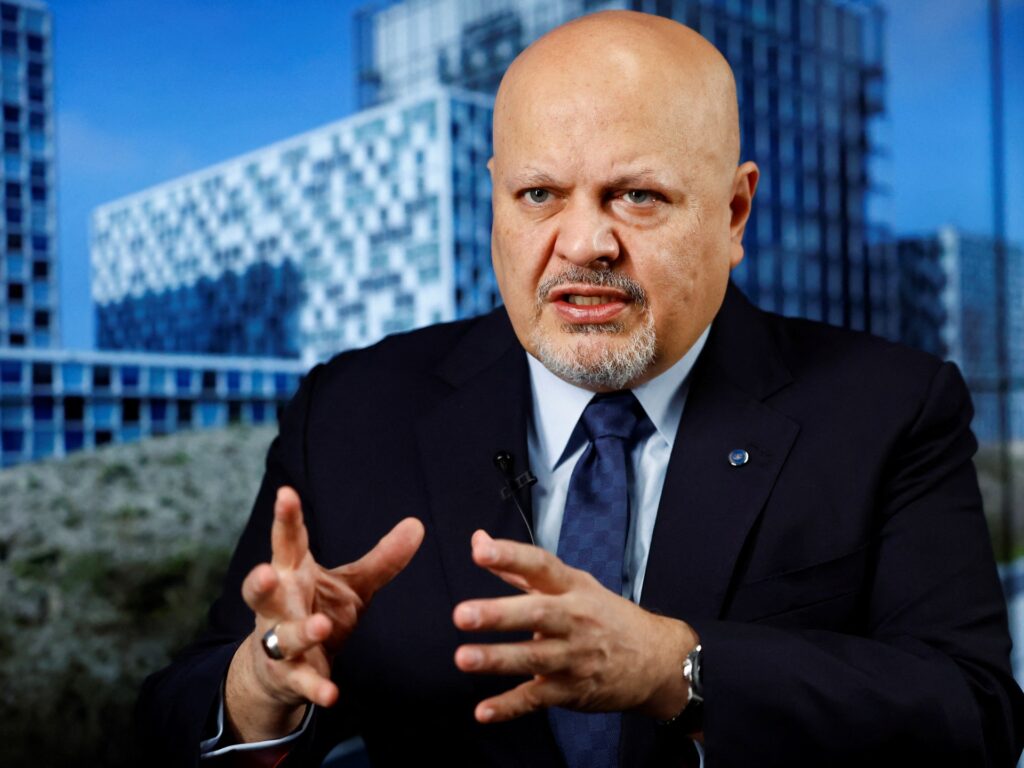
The International Criminal Court (ICC) prosecutor, Karim Khan, has been suspended pending a vote on serious sexual misconduct allegations. This suspension follows a recent decision by the ICC’s governing body to refer Khan to disciplinary proceedings before its member states.
Karim Khan has firmly rejected the suspension and the allegations against him. The ICC’s Executive Committee has initiated the referral process amid increasing scrutiny and demands for a transparent investigation. The move marks a significant moment for the ICC, highlighting internal challenges within the institution tasked with prosecuting some of the world’s gravest crimes.
The sexual misconduct claims against Khan have not yet been fully disclosed, but they have triggered a procedural response in line with established disciplinary protocols. The ICC’s member states will soon convene to deliberate on the allegations and the potential consequences for Khan’s position.
Khan’s suspension comes at a time when the ICC is undergoing critical trials and investigations globally, from conflict zones to high-profile human rights cases. The prosecutor’s role is pivotal in steering these cases, and his temporary removal raises questions about the continuity and stability of ongoing legal processes.
This development has elicited a range of reactions. Supporters of Khan argue that the allegations could be politically motivated or unfounded, urging for due process and fair treatment. Conversely, advocates for victims’ rights emphasize the importance of accountability and the necessity of confronting sexual misconduct allegations seriously.
The ICC has reiterated its commitment to upholding ethical standards and safeguarding the integrity of its judicial mechanisms. The organization’s response underscores a zero-tolerance stance toward misconduct, regardless of the individual’s rank or role.
Member states are expected to deliberate thoroughly, considering the evidence and the implications of either reinstating Khan or proceeding with further disciplinary actions. The outcome will not only affect Khan’s career but also impact the ICC’s reputation and efficacy moving forward.
This unprecedented suspension spotlights the broader issues of governance and oversight within international legal institutions. Transparency, accountability, and trust remain cornerstone principles as the ICC navigates this challenging episode.
Observers will closely monitor the proceedings and the ICC’s handling of these allegations, which have significant bearings on the pursuit of international justice and the protection of human rights worldwide. The final decision, anticipated in the coming weeks, will set a precedent for managing misconduct allegations in global institutions.