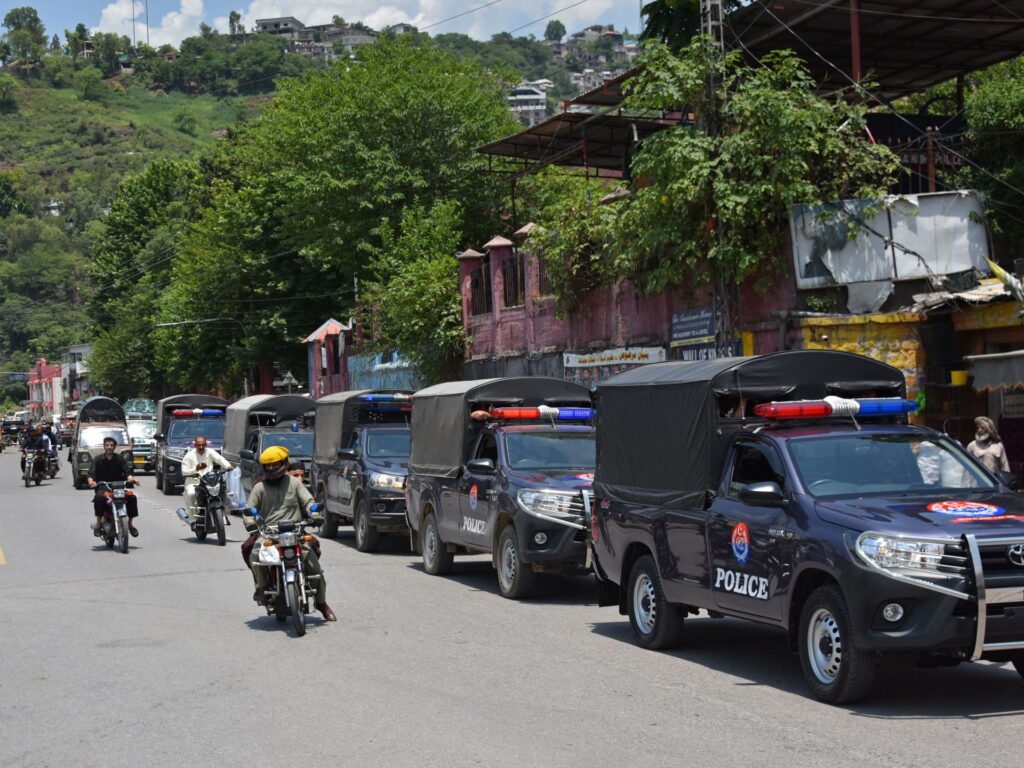
At least 11 people were killed in violent clashes in Pakistan-administered Kashmir as tensions escalated ahead of a planned rally by the Joint Awami Action Committee (JAAC), scheduled for Tuesday. The police crackdown targeted supporters of JAAC, resulting in deadly confrontations that have heightened concerns about the region’s stability.
The clashes broke out in multiple areas where supporters gathered to mobilize for the upcoming rally. Security forces attempted to disperse the crowds using tear gas and baton charges, but the situation quickly spiraled into violent clashes. Eyewitnesses reported widespread unrest and heavy police presence as the crackdown intensified.
The Joint Awami Action Committee is a coalition of various political and social groups advocating for the rights and political autonomy of Kashmiris, and they have been vocal in organizing mass protests against perceived injustices. The planned rally marks a critical moment for the committee to demonstrate public support and push their demands.
Local authorities justified the police actions as necessary to prevent lawlessness and maintain public order, citing intelligence reports about potential disruptions and violence during the rally. However, human rights organizations have condemned the use of excessive force, raising alarms about escalating violence and restrictions on peaceful assembly in the region.
The clashes have led to significant casualties, including civilians and security personnel, with reports indicating at least 11 fatalities. Hospitals in the region have been overwhelmed with injured protesters, many suffering from gunshot wounds and injuries related to police interventions.
The political implications of the violence are substantial. The Pakistani government faces increasing pressure domestically and internationally to address the Kashmir issue with a focus on human rights and peaceful dialogue. The rising tensions could further complicate relations with India, which administers parts of Kashmir and also claims the region.
Observers warn that continued violence and crackdowns on dissent could destabilize the already volatile region, undermining prospects for peaceful resolution and exacerbating humanitarian concerns. Calls for restraint and dialogue are growing louder from various international actors hoping to mediate the conflict.
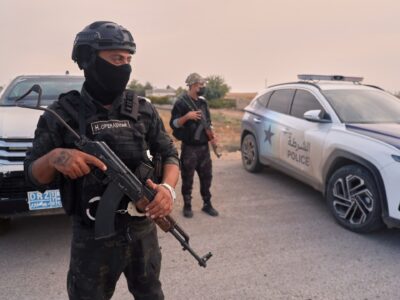
As the planned rally approaches, authorities have increased security measures, including curfews and roadblocks, aiming to prevent further unrest. The situation remains fluid and closely monitored by media and political analysts worldwide.
The people of Kashmir continue to face challenges stemming from long-standing political disputes, and the recent clashes highlight the urgent need for a comprehensive and peaceful approach to address their concerns and aspirations. The upcoming days will be critical in determining the future course of the Kashmir conflict and its broader regional impact.