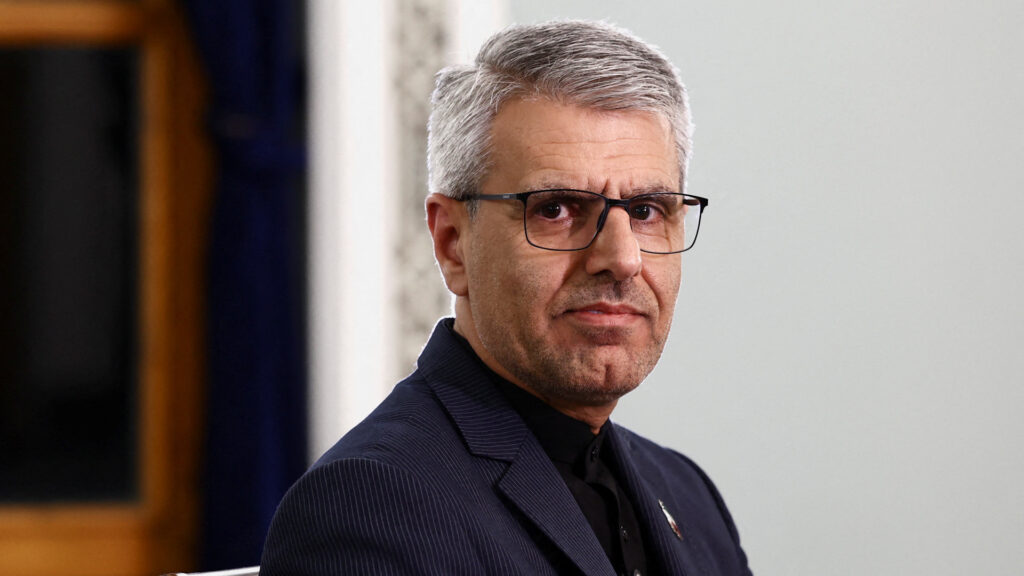
In a recent statement, Esmaeil Baghaei, the spokesperson for Iran’s Foreign Ministry, has publicly held the United States accountable for the renewed hostilities in the Middle East. Baghaei emphasized that the US, as an ally of Israel, bears full responsibility for any developments occurring in the region. Highlighting the complex dynamics, Baghaei criticized what he described as the ongoing interference and actions by the US that contribute to instability and violence.
According to Baghaei, the resumption of conflict and tensions can be traced back to Washington’s policies and its support for Israel, which he argues exacerbates the already fragile situation in the area. He implied that the US’s strategic decisions and military assistance to Israel have directly influenced the hostile environment, leading to escalations that jeopardize peace efforts.
This statement comes amid mounting tensions and clashes in various parts of the region, sparking concerns about further deterioration of security. Iran’s position reflects its broader geopolitical stance, where it often frames the US and Israel as sources of conflict and regional disruption.
The assertion that the US is the primary actor behind the violence shifts the narrative focus from internal regional issues to external influence, suggesting that a resolution hinges on changes in American policy. Baghaei’s remarks underscore a deep mistrust between Tehran and Washington and spotlight the geopolitical fault lines that continue to challenge diplomatic solutions.
As tensions rise, the international community watches closely, understanding that blame allocation influences diplomatic engagements and peace negotiations. Iran’s clear attribution of responsibility to the US signals a continued adversarial posture and points to the complexity of achieving stability in the Middle East amidst competing interests and alliances.
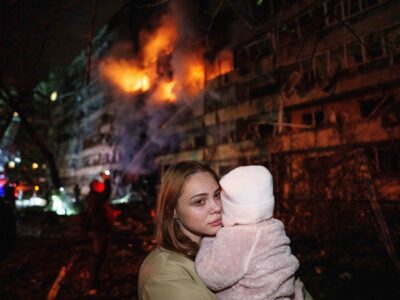
The renewed hostilities have raised alarm among local populations and global stakeholders alike, with calls for restraint and dialogue becoming more urgent. However, with entrenched accusations and political posturing, the path to de-escalation remains uncertain.
In light of this, experts suggest that addressing the root causes of the conflict requires a multifaceted approach, including diplomatic pressure on key players like the US and Israel, alongside regional cooperation to build trust and security.
As the situation develops, future statements from Iran, the US, and other regional players will be crucial in shaping the trajectory of peace and conflict in the Middle East. Meanwhile, the humanitarian impact on civilians caught in these hostilities continues to draw international concern.
This recent claim by Iran’s Foreign Ministry spokesperson reiterates the longstanding and complicated relationship between Iran and the US and underscores the continuing challenges in mediating peace in one of the world’s most volatile regions.