In an alarming escalation of hostilities in the Middle East, Iran has launched missile attacks targeting Israel in retaliation for Israeli airstrikes on Tehran. This development marks a significant intensification of the ongoing conflict and raises serious concerns about a broader regional war.
The latest Iranian missile strikes come shortly after Israeli forces conducted air raids on Tehran itself, the capital city of Iran. Specific details about casualties or damage within Tehran remain unclear, but the attack signifies an unprecedented breach into Iran’s heartland. This action by Israel demonstrates a marked increase in the scale of the conflict.
Meanwhile, the escalation also follows Israel’s military operation against Beirut, Lebanon’s capital, where at least two people were killed and 20 others wounded. The strikes targeted key locations associated with militant groups that have been in continuous conflict with Israel. These events contribute to heightened instability and uncertainty in the region.
The reciprocal nature of these attacks—Israel striking Tehran and Beirut, and Iran responding with missiles aimed at Israel—signals a dangerous cycle of retaliations that could spiral into wider warfare involving multiple countries in the Middle East.
Prior to these recent developments, tensions between Israel and Iran had been steadily rising due to geopolitical disputes, proxy conflicts, and Iran’s nuclear ambitions. Lebanon, a known base for Hezbollah, an Iranian-backed militant group, is frequently caught in the crossfire, highlighting the complexity of alliances and hostilities at play.
International actors and global organizations have expressed concern over the rapid deterioration of security conditions in the region. Calls for restraint and diplomatic engagement have been issued to prevent further bloodshed and to stabilize the situation.
The missile attacks on Israel by Tehran represent a clear message of defiance against continued Israeli military operations and underscore Iran’s capability and willingness to assert itself militarily in defense of its interests and allies.
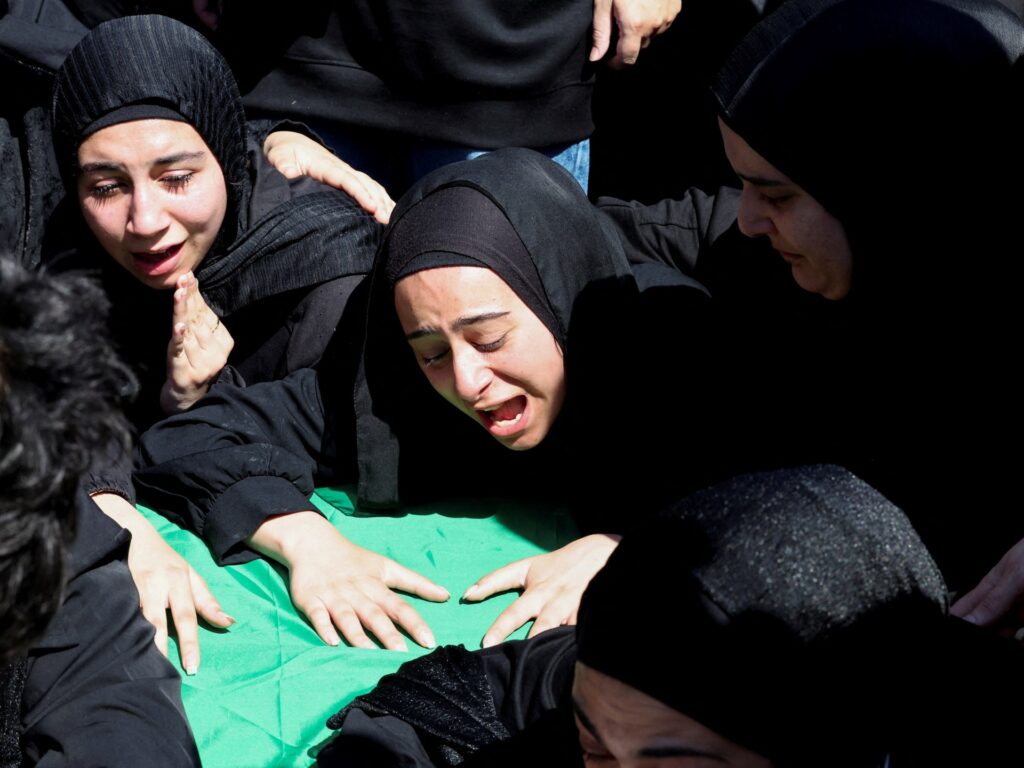
Meanwhile, civilians across affected regions continue to face immense dangers amid the ongoing fighting. The loss of lives, injuries, and disruptions to daily life exacerbate humanitarian crises already present in war-torn areas.
As the situation remains fluid, monitoring by international observers is intensifying, with the hope that diplomatic channels can open to de-escalate tensions. However, the exchange of missile attacks and airstrikes indicates the potential for further prolonged conflict if immediate solutions are not found.
This recent surge in violence is a stark reminder of the fragile peace in the Middle East and the significant repercussions that localized conflicts can have on global stability and security. The world watches closely as Tehran and Israel confront each other directly, underscoring the urgent need for efforts towards sustainable peace in the region.