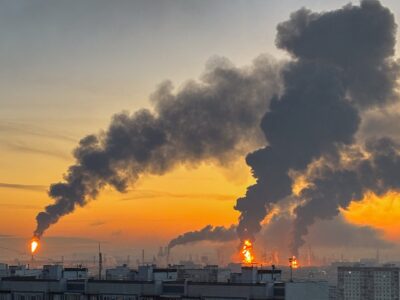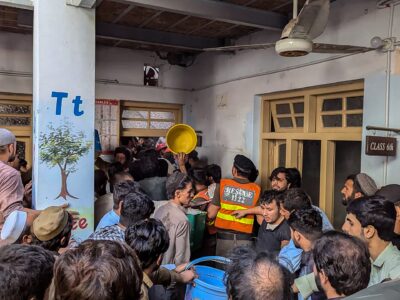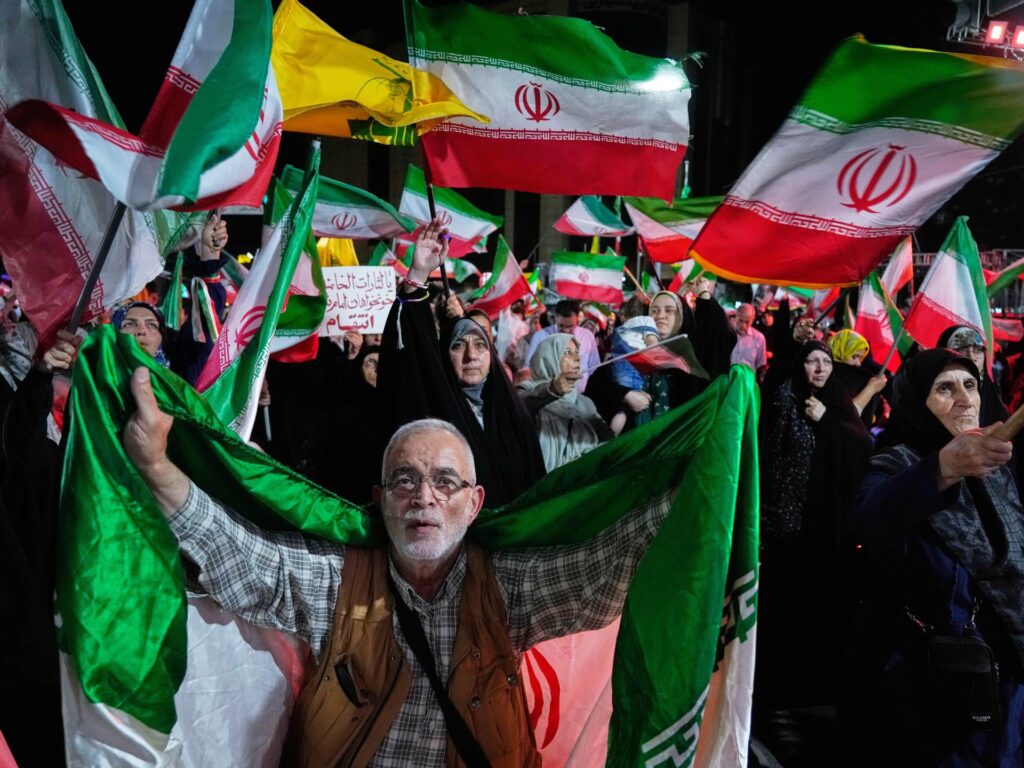
In a dramatic escalation of tensions in the Middle East, Iran has reportedly fired missiles at Israel in retaliation after Israeli forces conducted strikes in Tehran. This tit-for-tat exchange follows a prior Israeli attack on Lebanon’s capital, Beirut, which resulted in at least two fatalities and wounded around twenty individuals.
The recent events began when Israeli military aircraft targeted locations in Beirut, causing significant damage and casualties among the Lebanese population. The strike on Beirut marks a severe intensification of hostilities between Israel and groups aligned with Iran in the region.
Shortly after the Israeli attack on Beirut, Iran responded with missile launches directed at Israeli territory, marking one of the most direct confrontations between the two nations in recent years. Iranian sources claim these missiles were aimed as a retaliatory measure for the damage inflicted upon Lebanese civilians and to deter further Israeli aggression.
The cycle of violence beginning with the Israeli strike in Beirut, followed by Iran’s missile response, highlights the fragile security situation in the region. Lebanon, the site of the initial Israeli attack, has been a major focal point for Israel due to the presence of Hezbollah, a militant group backed by Iran.
Analysts note that the reciprocal attacks risk spiraling into a broader conflict, potentially drawing in multiple countries and destabilizing the already volatile Middle Eastern geopolitical landscape.
The United Nations and various international actors have called for restraint and dialogue to prevent the situation from escalating further. Peace efforts have urged all parties to return to negotiations to address underlying issues and avoid additional civilian casualties.
This recent flare-up underscores the persistent and deep-rooted hostilities between Iran and Israel, which have included proxy conflicts, cyber operations, and intermittent military confrontations over the past two decades.
Security experts warn that continued exchanges of fire could disrupt regional trade routes and energy supplies, impacting global markets. The international community remains watchful, emphasizing the need for de-escalation and humanitarian considerations.
As the situation develops, governments worldwide are closely monitoring the conflict, assessing their diplomatic and strategic responses to prevent a full-scale war in the Middle East.
The people of Israel, Lebanon, and Iran face heightened risks as the cycle of violence threatens to engulf entire populations, further complicating prospects for peace and stability in one of the world’s most contested regions.