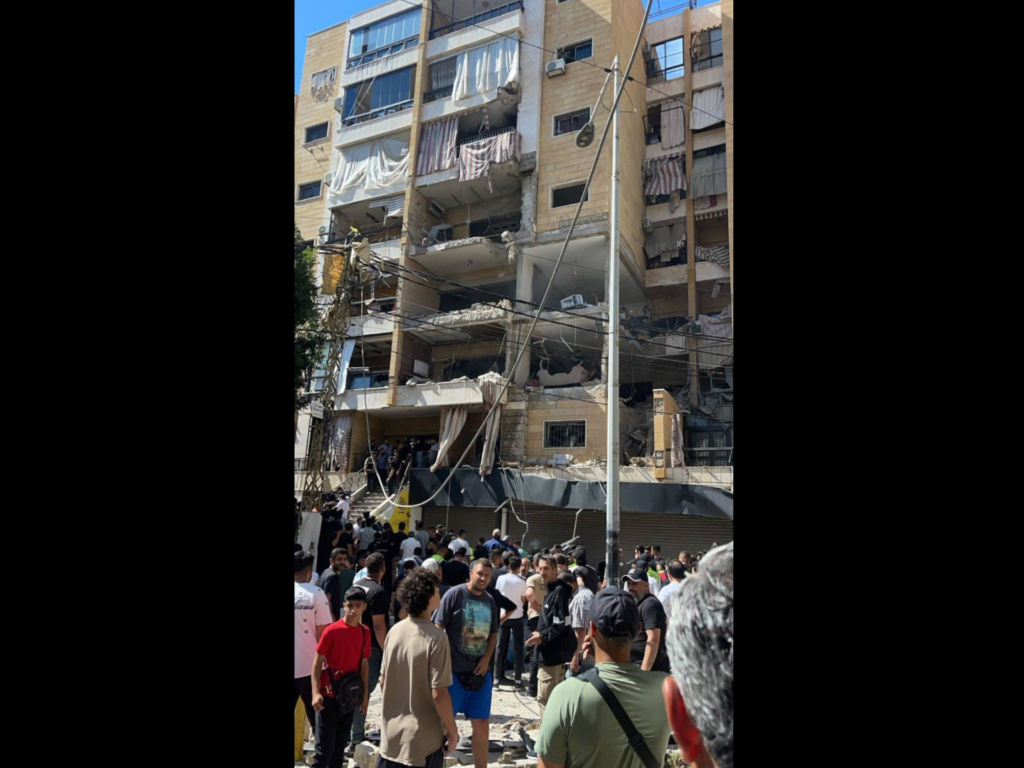
In a recent development escalating tensions in the Middle East, Israel conducted airstrikes targeting the southern suburbs of Beirut, the capital of Lebanon. Videos circulating on social media platforms reveal the aftermath of the attacks, showing multiple explosions and significant damage in the affected areas.
The southern suburbs of Beirut, predominantly inhabited by Hezbollah supporters, have been a focal point for conflicts in the past due to the group’s strong presence there. These airstrikes, reportedly carried out by Israeli forces, indicate a continuation of Israel’s strategy to counteract perceived threats from Hezbollah and other militant factions operating in Lebanon.
Eyewitnesses reported hearing numerous explosions shortly after the strikes, with rescue teams immediately dispatched to the scene to assist those injured and manage the damage. Lebanese emergency services confirmed multiple casualties, though the exact number has yet to be officially released.
The Israeli military has not issued a detailed statement regarding the objectives of the operation, but sources familiar with their strategy suggest that the strikes targeted weapons storage facilities and infrastructure linked to militant activities. This incident follows recent intelligence reports about increased militant preparations and armament in the region.
The international community has expressed concern over the escalation, urging all parties to exercise restraint to avoid further destabilization. The strikes have raised alarms about potential wider conflict, given the history of volatile relations between Israel and Hezbollah.
Lebanese government officials condemned the attack, calling it a violation of Lebanon’s sovereignty and a threat to regional peace. They have called for immediate international intervention to prevent further escalation.
Residents in Beirut’s southern suburbs reported nights of fear and uncertainty following the attacks, with many seeking shelter and emergency aid. Humanitarian organizations are mobilizing resources to assist displaced individuals and provide medical care to the injured.
Historical context underscores the fragile state of affairs in this region, as similar strikes and counterstrikes have often led to prolonged conflict and significant civilian hardship. Analysts warn that sustained violence could derail ongoing peace efforts and exacerbate regional instability.
As the situation develops, governments worldwide are closely monitoring the events. The coming days will be critical in determining whether diplomatic measures can avert further conflict or if the region will witness an escalation in hostilities.