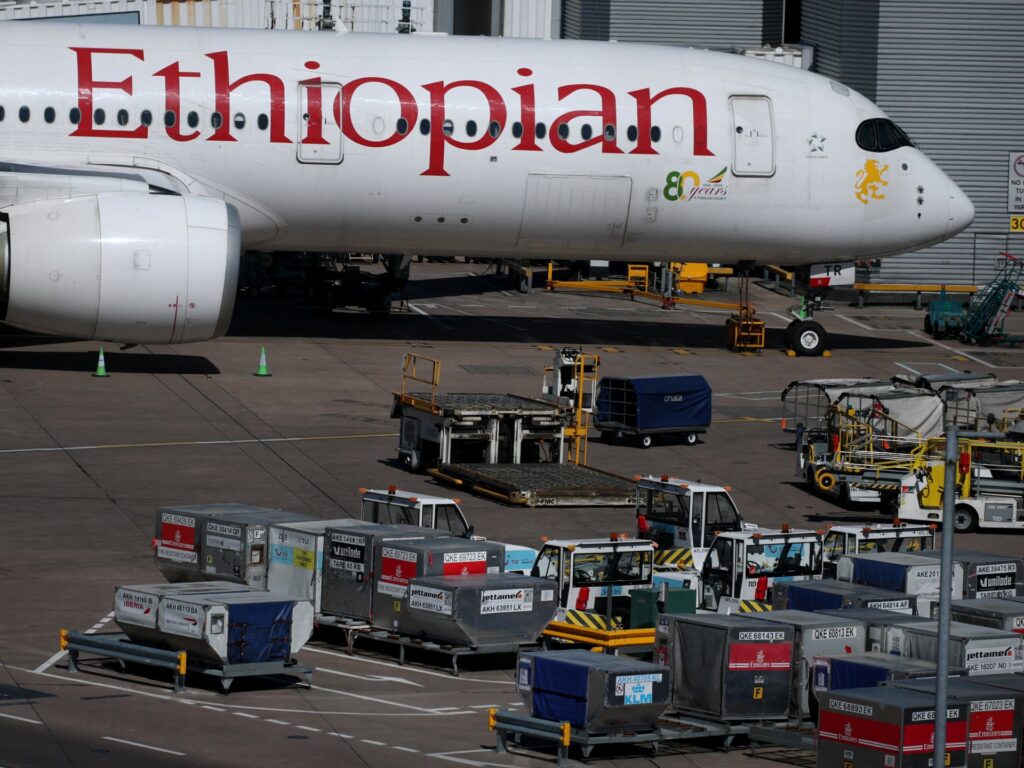
Ethiopian Airlines has announced the suspension of flights to three airports in the northern Tigray region, marking a significant shift in travel and logistics within this conflict-affected area. The decision follows the recent takeover of Mekelle airport by Tigrayan forces, which has raised concerns about safety and control of airspace.
The airports affected are vital nodes for transportation and humanitarian aid distribution, and their suspension disrupts the flow of passengers and cargo. This move by Ethiopian Airlines underlines the heightened tensions and instability in the region, where control over key infrastructure like airports has become a focal point in the ongoing conflict.
The Tigray region, located in northern Ethiopia, has been the site of conflict between Tigrayan forces and the Ethiopian government. The recent capture of Mekelle airport by Tigrayan forces signals a change in territorial control, prompting airlines and other logistical services to reassess operations.
Ethiopian Airlines is Ethiopia’s flagship carrier and a major player in African aviation. The suspension affects not only domestic travel but also international connections that rely on access through these airports, thereby influencing global connectivity.
This development has implications for humanitarian operations. Many aid agencies have relied on air transport to deliver essential supplies to conflict zones in Tigray. The suspension could create challenges in reaching vulnerable populations in need of urgent assistance.
The airline has stated that the suspension will remain in place until the security situation improves and stability is restored. The company is closely monitoring the situation and coordinating with relevant authorities to resume services as soon as conditions permit.
Travelers and businesses are advised to keep abreast of updates from Ethiopian Airlines and relevant government agencies regarding the status of flights. Alternative routes and means of transportation may need to be considered.
The suspension also reflects the broader impact of the conflict on Ethiopia’s transportation infrastructure. The Tigray conflict has led to damaged roads, disrupted communications, and uncertain conditions that impede safe travel and commerce.
The international community continues to call for dialogue and peaceful resolution to the conflict in Tigray to restore stability in the region. Control over strategic areas such as airports remains central to the ongoing negotiations and peace efforts.
As the situation evolves, Ethiopian Airlines’ suspension of flights to these northern Tigray airports serves as a critical indicator of the challenges faced in maintaining services amidst conflict. The airline’s actions underscore the complexities of operating in regions affected by armed conflict and the importance of securing transport corridors for both civilian and humanitarian purposes.
The future of the Tigray region’s airports will largely depend on political developments and efforts to restore peace and security. Until then, Ethiopian Airlines’ suspension is a protective measure reflecting the volatile circumstances surrounding air travel in northern Ethiopia.