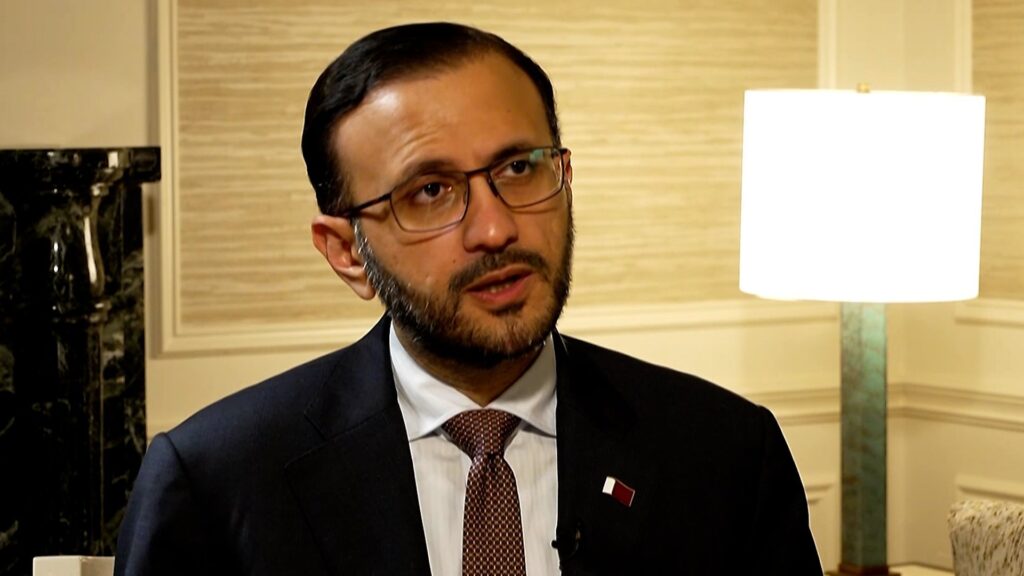
Qatar has renewed its commitment to mediating the escalating conflict between the United States and Iran, emphasizing the crucial role of diplomacy in preventing further regional destabilization. Majed al-Ansari, a senior Qatari official, recently articulated Doha’s firm resolve to ensure that diplomatic channels remain open and effective, underscoring the importance of avoiding the breakdown of negotiations.
As tensions persist between Washington and Tehran, the risk of broader conflict threatens international stability. Qatar, strategically positioned and known for its neutral diplomatic stance, has emerged as a key mediator striving to bridge the divide. Al-Ansari’s statements reflect the urgency with which Doha approaches its role, highlighting the potential consequences if diplomatic efforts falter.
‘We can’t let diplomacy fail,’ al-Ansari asserted, emphasizing Qatar’s belief that dialogue, not confrontation, offers the most viable path to peace. He acknowledged the complexity of the US-Iran relationship, marked by decades of mistrust and frequent clashes over regional influence, nuclear ambitions, and military presence.
Despite these challenges, Qatar has hosted several rounds of talks and offered its good offices to facilitate communication. The country aims to foster an environment where both parties can negotiate in good faith, reducing tensions and building mutual confidence.
Key to Qatar’s strategy is leveraging its unique position of maintaining robust relations with both the United States and Iran. This dual access allows Doha to serve as an intermediary that can convey messages, clarify misunderstandings, and propose compromises that might be unacceptable through direct channels.
Regional analysts observe that Qatar’s efforts do more than just benefit the involved parties; they contribute to broader Middle Eastern stability. By preventing escalation, Qatar helps safeguard international trade routes, energy supplies, and the security of neighboring states.
Al-Ansari also highlighted ongoing discussions on confidence-building measures that include humanitarian cooperation and regional security frameworks. These initiatives, he suggested, are essential steps toward rebuilding trust between Washington and Tehran.
While the path forward remains fraught with difficulties, Qatar’s unwavering dedication to diplomacy serves as a beacon of hope. The Doha government continues to call on all stakeholders to prioritize peaceful solutions and to resist the temptations of military escalation.
In conclusion, Qatar stands firm in its belief that maintaining open diplomatic channels is imperative to resolving the US-Iran conflict. The country’s mediation efforts underscore a broader commitment to peace and stability in one of the world’s most volatile regions. Doha’s message is clear: despite the obstacles, “we can’t let diplomacy fail.”