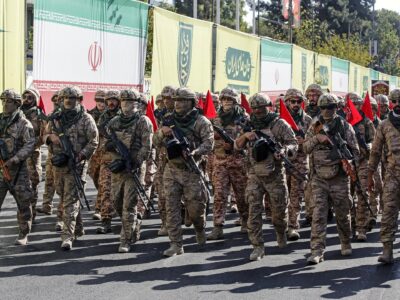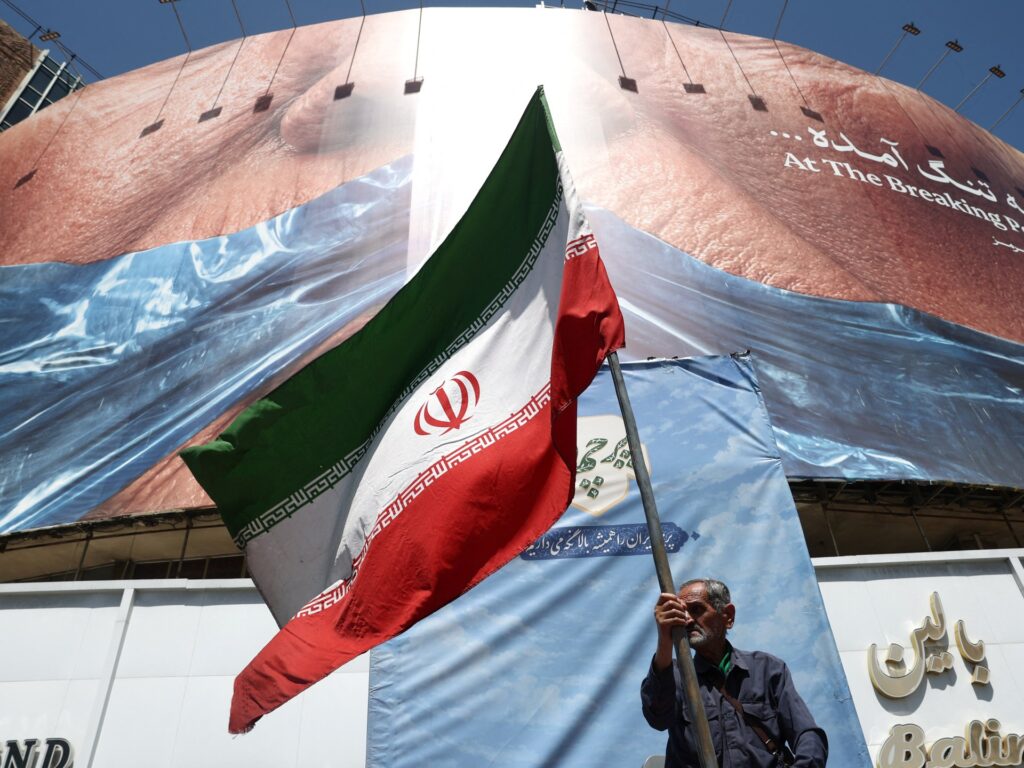
As the conflict between Iran, the United States, and Israel enters its 100th day, the ramifications of the war have become strikingly evident, leaving a profound impact on Iran and reverberating across the globe.
Since February 28, the hostilities have escalated, involving complex military engagements, strategic maneuvers, and international reactions. This war has caused significant human suffering, with thousands of casualties reported on all sides, including civilians caught in the crossfire. Hospitals and humanitarian organizations in Iran are struggling under the strain of injuries and displacement.
Economically, the conflict has severely disrupted Iran’s economy, which was already under pressure due to sanctions and internal challenges. The war has led to increased inflation, shortages of essential goods, and a sharp decline in foreign investment. Energy exports, a critical part of Iran’s economy, have faced disruptions, affecting global oil markets and causing fluctuations in fuel prices worldwide.
Internationally, the war has heightened tensions in the Middle East, drawing in various regional and global powers. Diplomatic efforts to de-escalate the conflict have been ongoing, but progress remains fragile. Trade routes and shipping lanes near the Persian Gulf have been put at risk, threatening global trade and energy supplies.
The psychological toll on the Iranian population is profound, with many experiencing anxiety, fear, and uncertainty about the future. Social media platforms have become vital channels for sharing news and personal stories, connecting people amid the chaos.
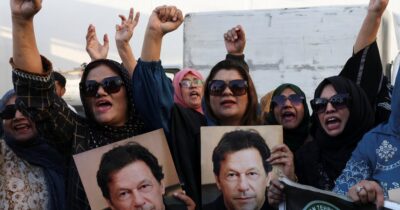
The conflict has also triggered widespread protests and political debates within Iran and among Iranian diaspora communities worldwide. Calls for peace and human rights have intensified, highlighting the broader implications beyond the battlefield.
Humanitarian aid efforts face significant challenges as access to conflict zones remains limited, and international agencies strive to provide relief and medical assistance.
The media coverage of the war has played a crucial role in shaping public opinion globally, with various narratives emerging that reflect the complexities of the conflict.
As the war continues, its long-term consequences for Iran’s society, economy, and geopolitical standing remain uncertain. The international community watches closely, hoping for a resolution that can restore peace and stability in the region.
In summary, the 100-day mark of the Iran war underscores the devastating human cost, economic upheaval, and global ramifications of this intense conflict, painting a vivid picture of a crisis that extends far beyond the battlefield.