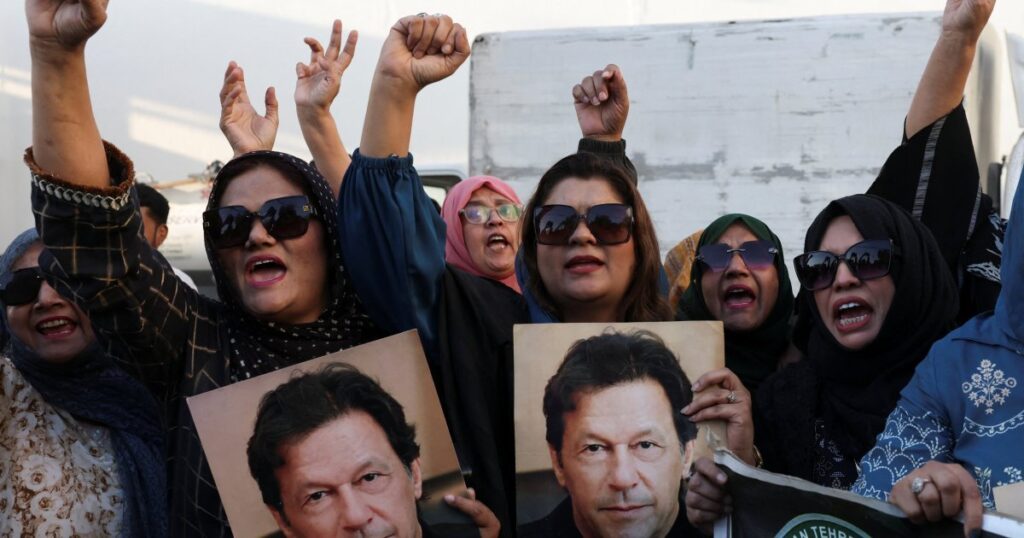
In a tense buildup to planned protests demanding the release of former Prime Minister Imran Khan, Pakistani authorities have sealed off major roads leading to Islamabad. The decision comes as supporters of the jailed ex-leader prepare to march into the capital, raising concerns about potential unrest. Law enforcement agencies have deployed additional personnel and imposed restrictions on key highways to prevent large gatherings and maintain public order. The government cites security and safety reasons for the road closures, aiming to curtail the scale of demonstrations.
Imran Khan, who has been a polarizing figure in Pakistani politics, was recently detained on charges that his supporters claim are politically motivated. His arrest has sparked a wave of protests across the country, with his loyalists vowing to continue their campaign until he is freed. The impending march into Islamabad is seen as a critical test of the country’s stability, with fears that clashes between protestors and security forces could escalate.
The government has called for restraint from all parties, emphasizing dialogue and peaceful resolution over confrontation. Meanwhile, opposition groups have criticized the closures as an attempt to silence dissent and undermine democratic protests. The situation remains fluid, with both sides standing firm on their positions ahead of the scheduled demonstrations.
Authorities have also warned citizens to avoid the areas around the capital during the protest period and have advised alternative routes for commuters. The international community is watching developments closely, concerned about the implications for Pakistan’s political landscape and regional stability. As Islamabad braces for the march, the nation awaits whether the demonstrations will remain peaceful or spiral into violence, marking a pivotal moment in Pakistan’s ongoing political saga.