The volatile situation in the Middle East sharpens as US forces have shot down two Iranian drones over the strategic Strait of Hormuz. This critical waterway, vital for global oil shipments, has long been a flashpoint for regional conflicts. The incident highlights rising tensions between the United States and Iran, with increased military activities and mutual accusations.
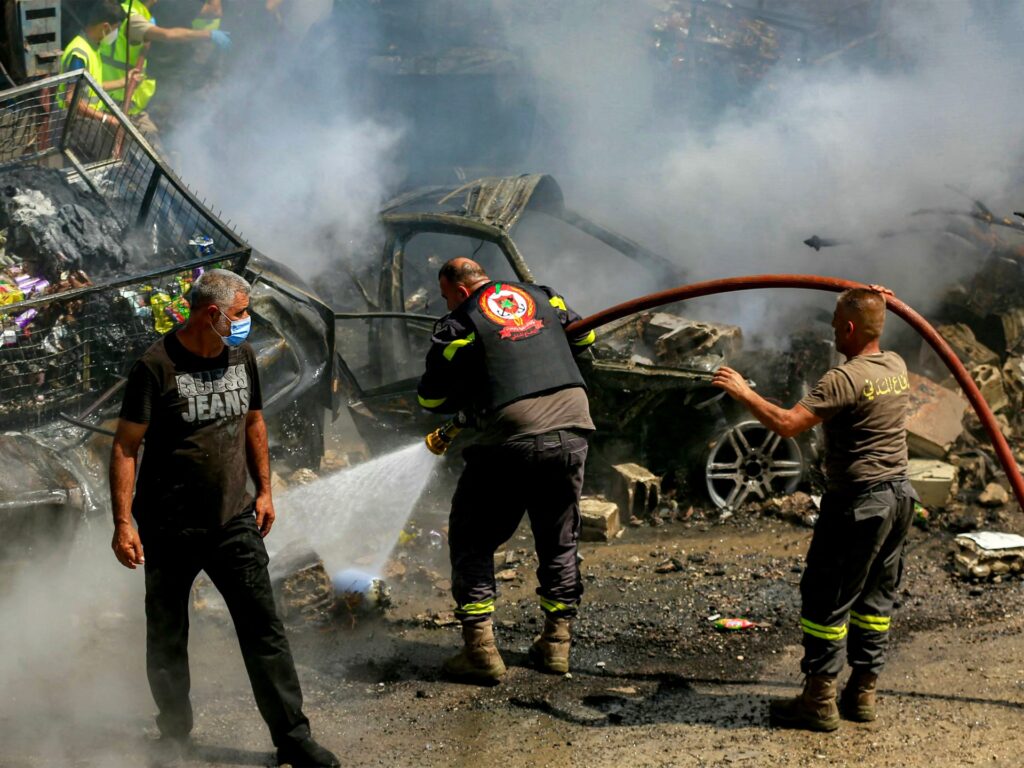
Simultaneously, Israeli forces have reported killing three high-ranking Lebanese soldiers, an action that has intensified the already fragile security landscape in the region. These targeted operations reflect Israel’s ongoing security concerns regarding Lebanon and its activities, often attributed to Hezbollah-linked forces.
The international community has been vigilant in response to these developments, given their potential to destabilize peace efforts in the Middle East. Notably, several Arab countries have condemned Iran’s aggressive postures, particularly its recent attacks on Bahrain and Kuwait. These condemnations underline the fractious relations among regional players and the broader geopolitical divide.
The shooting down of the Iranian drones by US forces in the Strait of Hormuz is significant as this strait is a major chokepoint for global oil supply, and any conflict here could have severe economic repercussions worldwide. Iran’s deployment of drones in this international corridor asserts its strategic intentions and underscores the risk of miscalculation leading to broader conflict.
In Bahrain and Kuwait, Iran’s attacks have been met with stern criticism. Both Gulf nations are crucial US allies and have voiced their alarm over Iran’s escalating provocations. This has further rallied support for increased security measures and international cooperation to counteract Iranian aggression.
The killing of the three Lebanese soldiers by Israeli forces marks a serious escalation in military engagements. These soldiers were reportedly high-ranking, which suggests the operation was a calculated strike intended to weaken Lebanese militant capabilities and deter future hostilities. Lebanon’s political and security dynamics are complex, with Hezbollah playing a key role, influencing both domestic and regional conflicts.
Arab nations’ condemnation of Iran’s actions signals a unified regional stance against Tehran’s aggressive tactics, which are perceived as threats to the sovereignty and stability of Gulf Cooperation Council (GCC) states. This coalition of Arab countries is increasingly vocal in its opposition to Iran’s interventionist policies and its support for proxy groups across the Middle East.
The United States continues to play a central role in this unfolding conflict, maintaining a robust military presence in the Gulf and supporting its allies through intelligence sharing, arms sales, and direct military action as seen in the drone incidents. Washington’s strategy aims to contain Iran’s ambitions and prevent the escalation of hostilities that could trigger a wider regional war.
Experts warn the situation remains highly volatile, with potential for rapid escalation if diplomatic efforts fail. The interconnected nature of security concerns, energy supplies, and international alliances requires careful, coordinated responses.
In summary, the recent military actions — US forces shooting down Iranian drones in the Strait of Hormuz and Israeli forces killing Lebanese soldiers — coupled with widespread Arab condemnation of Iran’s aggressive moves in Bahrain and Kuwait, underscore the fragile state of peace in the Middle East. The world watches closely as these developments may shape the geopolitical landscape for years to come, emphasizing the urgent need for dialogue and conflict resolution initiatives to avoid further deterioration of regional stability.