The Middle East is witnessing a significant escalation in conflict as the United States launched strikes against Iranian radar installations, while Gulf nations Kuwait and Bahrain are reportedly under attack. This intensifying turmoil adds to the already volatile security situation in the region.
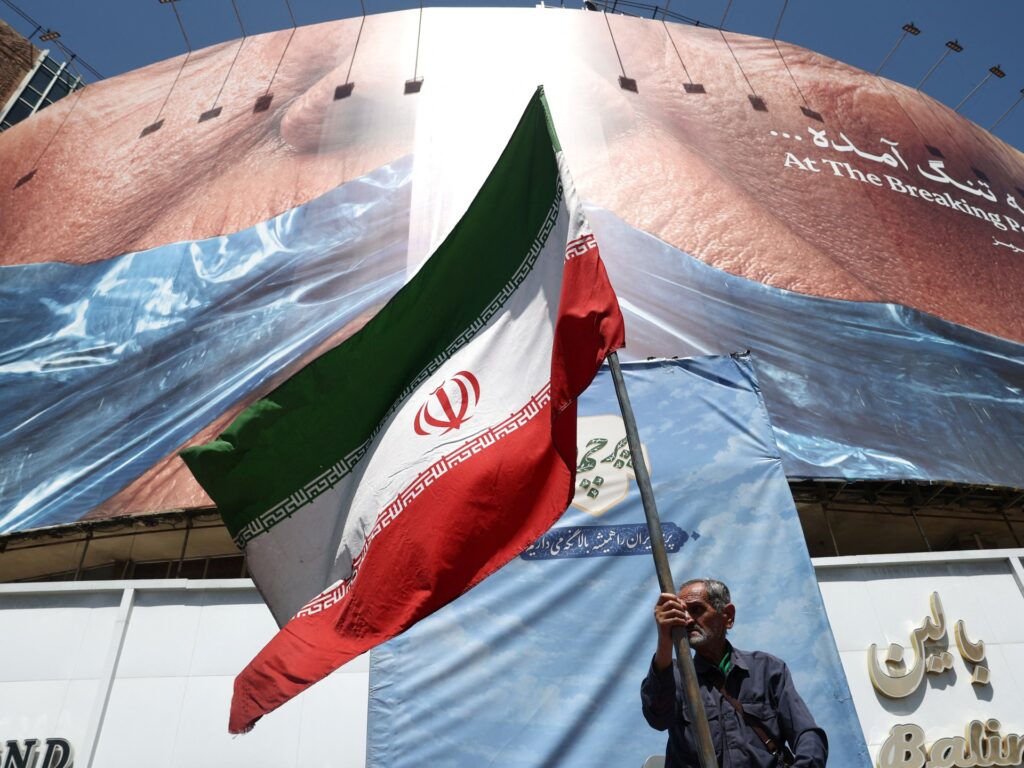
The US military action targeting Iranian radar sites symbolizes a sharp escalation in hostilities, highlighting the growing tensions between Washington and Tehran. The strikes aim to curtail Iran’s surveillance and missile capabilities amidst fears of further confrontations.
Concurrently, Gulf countries Kuwait and Bahrain have come under assault, marking an expansion of the conflict beyond traditional flashpoints. Both nations, strategic allies of the US in the Gulf and members of the Gulf Cooperation Council, have experienced security breaches that are raising alarm internationally.
In the broader context, Lebanon is suffering dire humanitarian repercussions as a result of ongoing Israeli military operations. According to the United Nations, approximately 1.4 million people in Lebanon are currently in urgent need of humanitarian assistance. The conflict there has led to widespread displacement, destruction of infrastructure, and a critical shortage of essential supplies such as food, water, and medical aid.
The convergence of military strikes by the US against Iran, attacks on Gulf states, and Israel’s continued operations in Lebanon paints a grim picture of an escalating regional conflict. It threatens to destabilize the already fragile political equilibrium across the Middle East and holds profound implications for global security and energy markets.
International organizations, including the United Nations, have called for immediate cessation of violence and urged diplomatic negotiations to prevent further bloodshed. Humanitarian agencies are mobilizing to provide relief to affected populations, despite the substantial challenges posed by the ongoing hostilities.
Experts warn that without concerted international efforts to de-escalate tensions, the ongoing conflicts may spiral into a larger, more devastating war involving multiple regional and global powers.
The unfolding crisis underscores the urgent need for renewed dialogues aimed at conflict resolution and peacebuilding initiatives to restore stability and address the humanitarian emergencies triggered by the hostilities in Lebanon and across the Middle East.