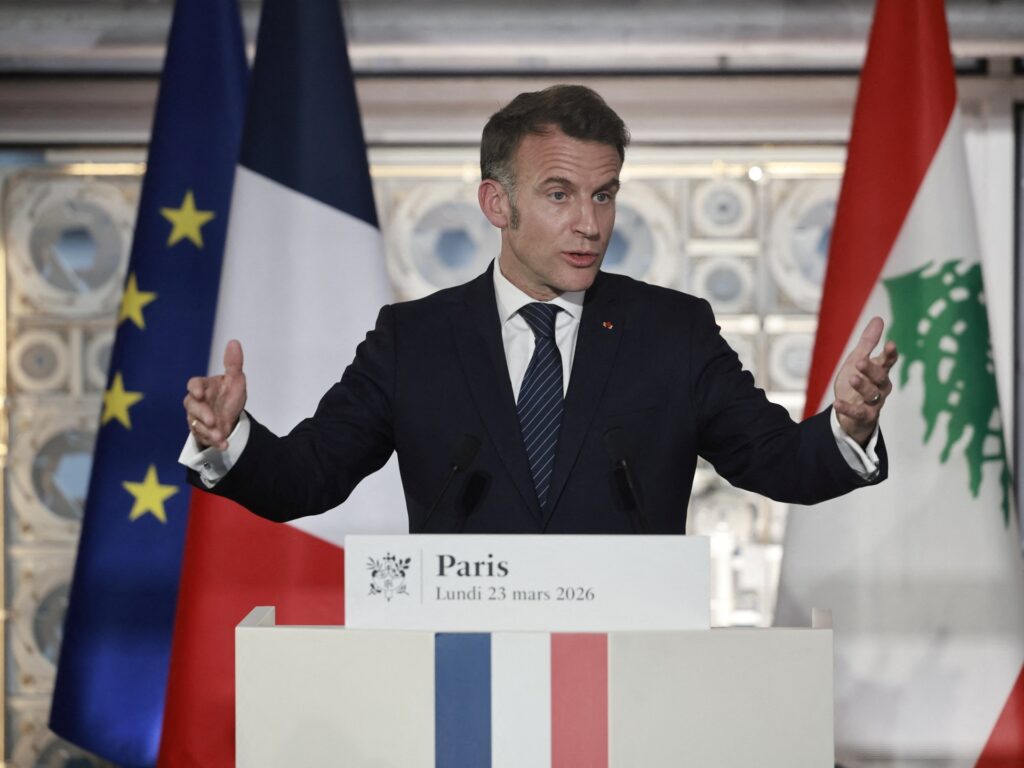
France’s deep involvement in Lebanon’s future is driven by historical, strategic, and geopolitical factors. Analysts emphasize that France is seeking to reassert its influence in the Middle East, a region where its presence has gradually diminished over time. This investment is rooted in several key motivations.
Firstly, France and Lebanon share a long colonial history. Lebanon was under French mandate from 1920 until 1943, and the ties established during this period have created enduring cultural, political, and economic links. French remains one of Lebanon’s main languages, and many Lebanese elites are educated in French institutions. This historical connection fosters a sense of responsibility in France to support Lebanon’s stability and development.
Secondly, Lebanon occupies a unique geopolitical position in the Middle East, acting as a crossroads between Europe and the Arab world. France, as a European power with historical ties to the region, sees Lebanon as a vital partner in navigating the complex political landscape. Supporting Lebanon enables France to maintain a foothold in the region amidst rising influences from other global powers such as Russia, China, and the United States.
Furthermore, Lebanon’s internal crises—political instability, economic collapse, and social unrest—pose challenges not only for the country but also for regional security. France aims to play a constructive role in stabilizing Lebanon to prevent further deterioration that could lead to refugee flows, increased extremism, and regional conflict. This goal aligns with France’s broader interests in peace and security in the Mediterranean and Middle East.
France’s investment is also seen in its diplomatic and financial involvement. It has led international efforts to facilitate political dialogue in Lebanon, backed economic recovery programs, and pushed for reforms within the Lebanese government. Through these actions, France is positioning itself as a crucial partner for Lebanon’s future, hoping to strengthen bilateral ties and cement its influence.
Analysts argue that by investing in Lebanon’s future, France is attempting to counterbalance the growing regional influence of other powers. The Mediterranean basin is strategically significant, and Lebanon acts as a gateway. France’s proactive stance reflects its desire to retain relevance and leadership in Mediterranean geopolitics.
In conclusion, France’s investment in Lebanon is multifaceted, combining historical bonds, strategic interests, regional security concerns, and geopolitical ambitions. As Lebanon struggles with profound challenges, France’s involvement suggests a determination to remain a key actor in shaping the country’s path and, by extension, the broader dynamics of the region.