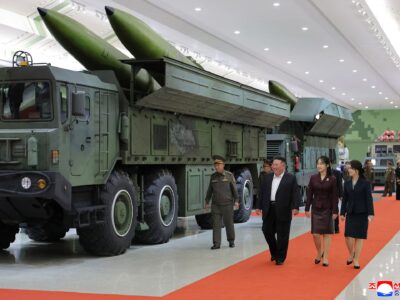
In a significant escalation of regional tensions, Kuwait and Bahrain have been attacked in a coordinated missile and drone barrage attributed to Iran. This event marks a worrying development in the ongoing conflicts involving Iran and several Gulf countries.
The attack involved multiple missiles and drones targeting strategic locations within the territories of both Kuwait and Bahrain. Reports confirm damage to infrastructure and casualties, although the full extent is still being assessed by local authorities.
This aggressive action follows a series of heightened hostilities in the Gulf region, where Iran’s increasing military activities have sparked concerns among neighboring states and the international community. The use of drones and ballistic missiles indicates a notable advancement in Iran’s tactical capabilities and willingness to project power beyond its borders.
Both Kuwait and Bahrain have condemned the attacks, calling for international support and immediate measures to prevent further escalation. The governments of these countries stressed the need for diplomatic solutions while reinforcing their defense readiness.
The international community has expressed alarm over the situation. The United Nations and various countries have urged restraint and dialogue to de-escalate tensions. There are growing calls for negotiations to address underlying conflicts and prevent a broader regional confrontation.
Experts suggest that the attacks could be part of Iran’s strategy to assert its influence in the Gulf amid ongoing political and economic pressures, including sanctions and diplomatic isolation. This incident underscores the volatile security environment in the Middle East and the risks posed by advancing military technologies in the hands of state and non-state actors.
In response to the attacks, Kuwait and Bahrain are coordinating with allies to strengthen their defense systems and enhance intelligence sharing. There is also an increased emphasis on regional cooperation to address threats posed by missile and drone warfare.
The situation remains fluid, with the potential for further developments that could impact regional stability and global energy markets, considering the strategic importance of the Gulf region. Authorities continue to monitor the situation closely and have called on all parties to avoid actions that could lead to further violence.
This episode serves as a stark reminder of the fragility of peace in the region and the urgent need for sustained diplomatic efforts to resolve the underlying issues fueling the conflict.