In a significant development in the ongoing Middle East conflict, Iran and Oman are on the verge of finalizing an agreement concerning shipping routes in the strategically crucial Strait of Hormuz. This move comes amid escalating regional tensions marked by attacks and military actions involving multiple nations.
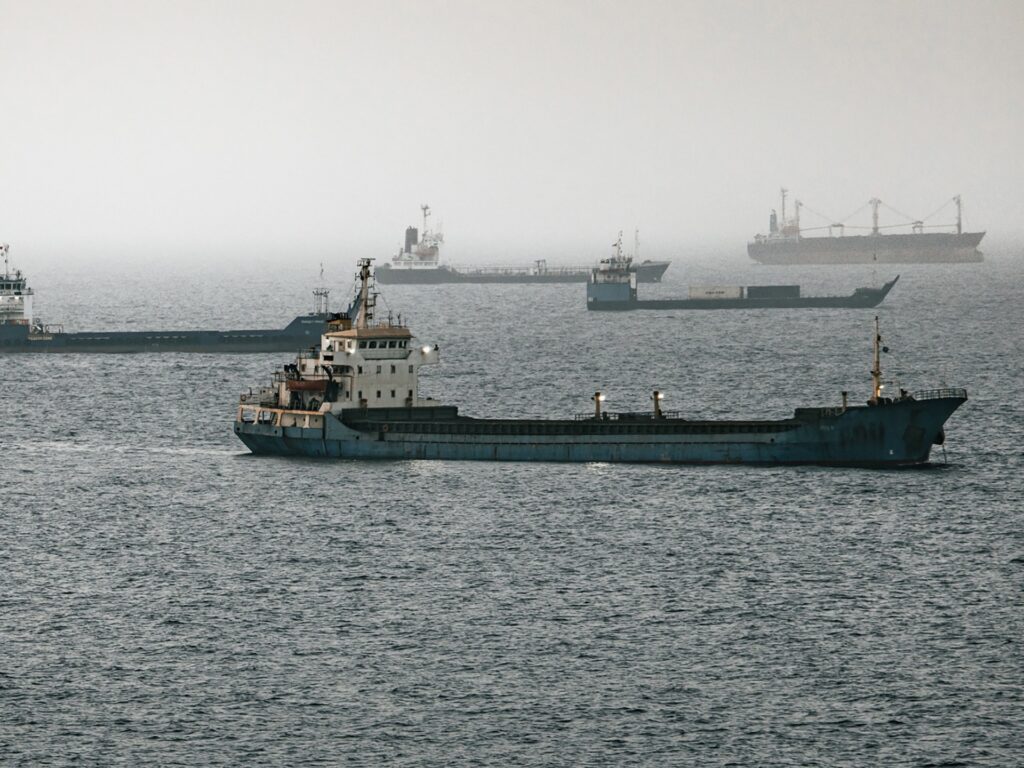
The Strait of Hormuz, a vital artery for global energy supplies, has long been a flashpoint in Middle Eastern geopolitics. Control and safe passage through these waters are critical, not only for the countries bordering the Gulf but for international trade at large. The impending agreement between Tehran and Muscat aims to establish clearer navigation protocols, potentially reducing the risk of conflict and ensuring smoother shipping operations through this narrow passage.
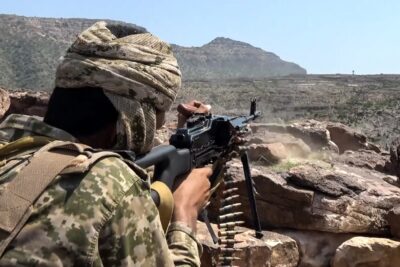
Simultaneously, the conflict landscape is further complicated by recent violent incidents. Houthi forces, aligned with Iran, have launched attacks on Saudi tankers in the Gulf, escalating the maritime conflict and putting international maritime security at risk. These attacks threaten not only the immediate security of the vessels but also jeopardize global oil supply chains.
On another front, Israel has intensified its military operations by bombing targets in Lebanon. This development signals increased hostilities in the region, which could further destabilize an already fragile environment. The Israel-Lebanon tensions add a layer of complexity to the broader regional conflict involving Iran, Saudi Arabia, and their respective allies.
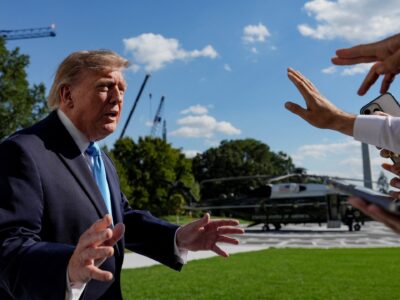
Amid these developments, former U.S. President Donald Trump has addressed concerns about munitions shortages affecting military operations. Trump has categorically denied any shortage of munitions, stressing that the U.S. military remains well-equipped to handle ongoing and potential future conflicts. His statement aims to reassure allies and the global community of the United States’ readiness and capability in the face of escalating tensions.
The convergence of diplomatic efforts, military actions, and strategic assurances highlights the multifaceted nature of the conflict. The Iran-Oman maritime agreement could be a crucial step in de-escalating regional tensions by safeguarding a major shipping route. However, ongoing attacks by the Houthis and Israeli strikes in Lebanon demonstrate that conflict dynamics remain volatile.
Regional stakeholders and international actors continue to monitor the situation closely. The potential for diplomatic breakthroughs in maritime navigation must be balanced with the pressing need to address the underlying political and military conflicts that fuel instability. The coming days and weeks will be critical in determining whether these parallel developments lead to a de-escalation of hostilities or further escalation in the Middle East.
In summary, the nearing deal between Tehran and Muscat on the Strait of Hormuz represents a hopeful diplomatic effort amidst a backdrop of intensified conflict, including Houthi attacks on Saudi tankers and Israeli airstrikes in Lebanon. Meanwhile, reassurances from former U.S. President Trump about munitions supplies add another dimension to the unfolding geopolitical scenario. The global community watches with concern and anticipation as the region navigates these turbulent waters.