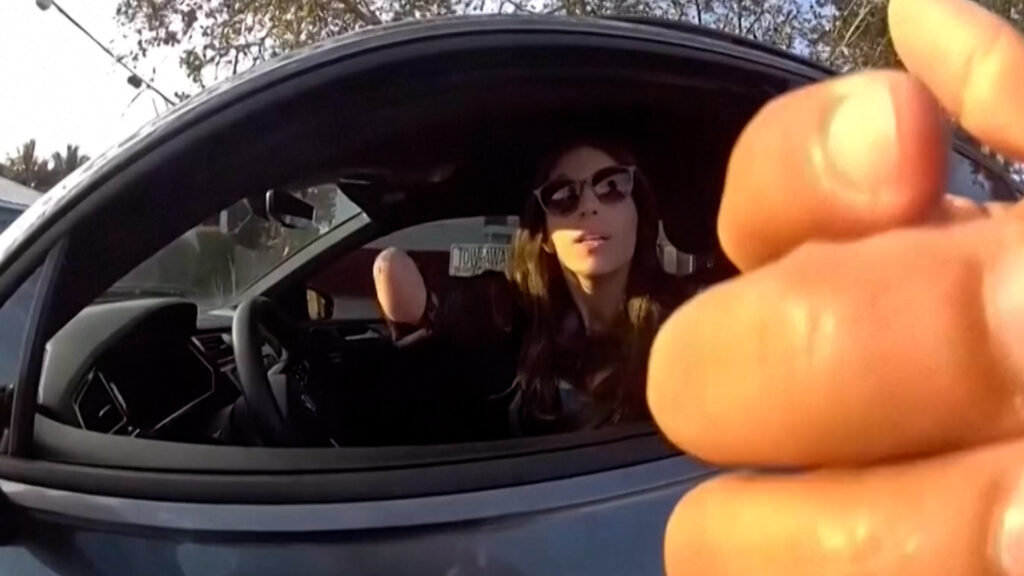
A recent traffic stop in Florida has ignited widespread attention and debate after a police officer accused a disabled driver of holding a phone with her right hand — despite the driver having a missing right hand. The incident highlights issues surrounding law enforcement encounters with differently-abled individuals.
The incident reportedly took place during a routine traffic stop, during which the officer alleged the driver was distracted by holding a cellphone. However, the driver, who is missing her right hand, pointed out the impossibility of holding a phone with an absent limb.
Videos and eyewitness reports quickly circulated on social media, showing the interaction that many felt was unjust and indicative of a lack of awareness and sensitivity towards people with disabilities. Critics argue that the officer’s assumption demonstrated a failure to adequately assess the situation before making an accusation.
Advocacy groups for people with disabilities have condemned the officer’s actions, emphasizing the need for law enforcement training to better understand the challenges and capabilities of disabled drivers. They assert that such misunderstandings can lead to unnecessary harassment and discrimination.
The Florida police department has been prompted to review the incident following the viral attention. They have not yet released a formal statement, but internal investigations are reportedly underway to determine if appropriate procedures were followed.
This case has opened a broader conversation about the treatment of disabled individuals in routine law enforcement activities and the importance of empathy and proper training. Experts recommend that officers receive specialized instruction on disability awareness to prevent similar situations in the future.
In addition to the training focus, legal experts note that disabled drivers have rights protected under the Americans with Disabilities Act (ADA), which should be respected during any interaction with law enforcement.
The driver involved expressed hope that her experience could raise awareness and lead to more informed and respectful police practices. She also encouraged others with disabilities to stand up against unfair treatment.
This Florida traffic stop serves as a poignant reminder of the necessity to balance law enforcement duties with respect, understanding, and accommodation for all individuals, regardless of physical ability. The incident underscores ongoing challenges and the vital importance of inclusivity in public services.