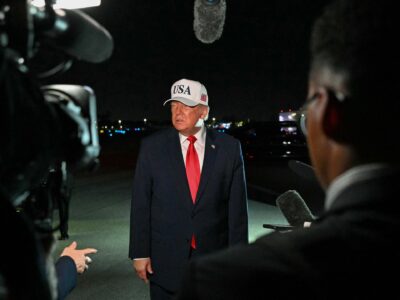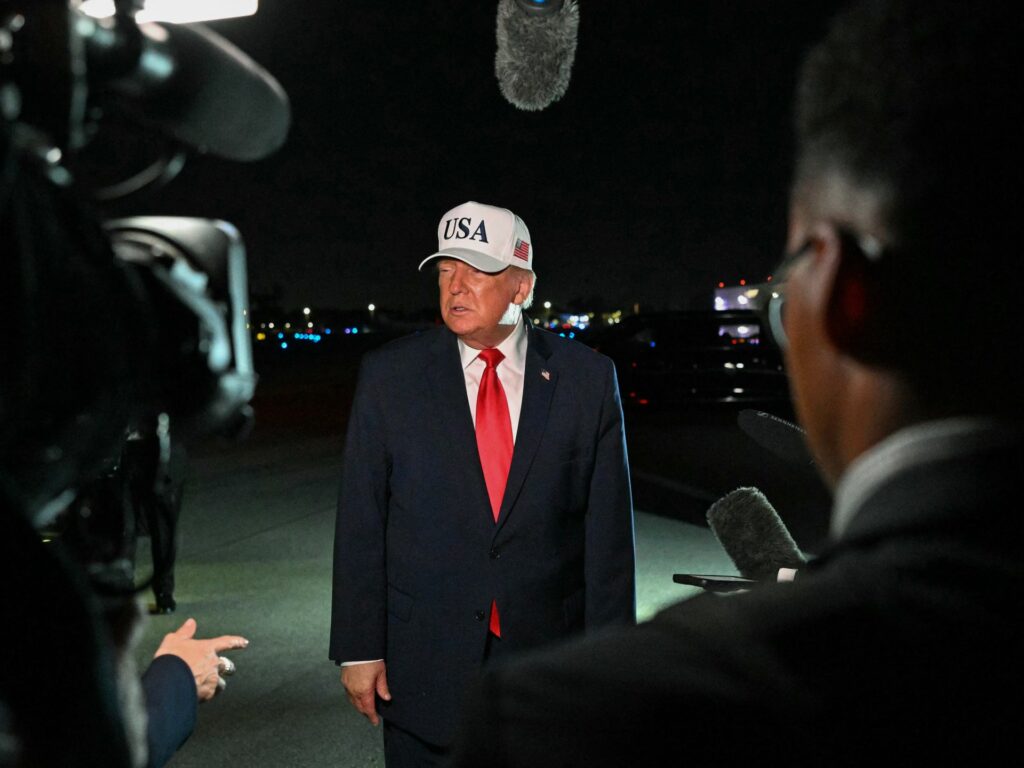
In a recent development, former US President Donald Trump confirmed that the United States conducted new military strikes on Iran’s Qeshm Island. This announcement comes amid ongoing tensions between the US and Iran, highlighting the volatile situation in the region.
Qeshm Island, strategically located in the Persian Gulf, has been a focal point of military and geopolitical interest. The US strikes on the island underline Washington’s readiness to take decisive action against Iranian assets perceived as threats.
Trump’s confirmation of these strikes signals a continuation of a tough stance towards Iran, following years of fluctuating relations characterized by sanctions, diplomatic engagements, and occasional military clashes. The strikes are likely a response to activities by Iranian forces that the US views as destabilizing.
Alongside the announcement of the strikes, Trump also claimed there has been “a lot of progress” in negotiations between the US administration in Washington and Tehran. These talks aim to address longstanding issues, including Iran’s nuclear program, regional influence, and compliance with international agreements.
The dual nature of this development—military action paired with diplomatic negotiations—reflects the complex dynamics of US-Iran relations. On one hand, the strikes serve as a warning and a display of power; on the other, the mention of progress in talks offers a glimpse of possible diplomatic solutions.
Experts suggest that the US strikes might be intended to strengthen the bargaining position of Washington in negotiations by applying military pressure. However, there is also concern that such actions could escalate tensions and complicate diplomatic efforts.
Tehran’s response to the US strikes on Qeshm Island has been measured but firm, emphasizing Iran’s sovereignty and condemning what it describes as aggressive actions. Iranian officials have reiterated their commitment to defensive measures and warned of repercussions if provocations continue.
The negotiations mentioned by Trump are part of a broader effort to revive the 2015 Joint Comprehensive Plan of Action (JCPOA), commonly known as the Iran nuclear deal. Both sides have shown interest in reviving the agreement but significant gaps remain regarding compliance, sanctions relief, and verification mechanisms.
International observers remain cautiously optimistic about the potential for a breakthrough. The strikes on Qeshm Island, however, underscore the fragile nature of this progress and the ever-present risk of conflict reigniting.
The situation remains fluid, with the world closely watching how the US and Iran balance assertive military actions with ongoing diplomatic efforts. The coming weeks and months will be critical in determining whether the two nations can achieve a sustainable resolution or if tensions will further escalate.