In the latest developments in the ongoing conflict in the Middle East, Iran’s Supreme Leader’s adviser publicly placed blame on the United States’ blockade for the stalling of a critical deal. The adviser highlighted that the blockade has significantly hindered progress, exacerbating tensions in the region and complicating diplomatic efforts aimed at resolving the situation.
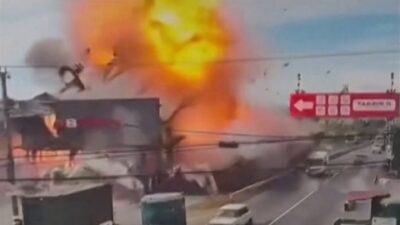
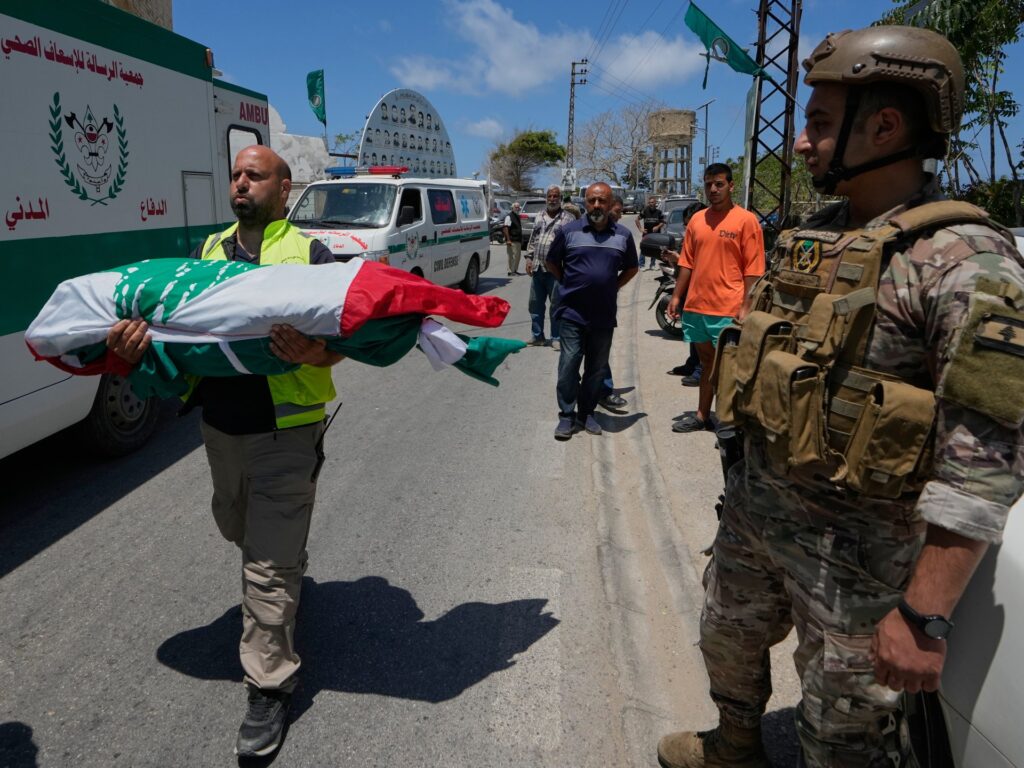
Simultaneously, military actions in southern Lebanon have intensified. The Israeli forces have issued two rounds of forced displacement orders targeting towns in the southern part of the country. This move comes as Israeli troops advance deeper into Lebanese territory, marking a significant escalation in the conflict dynamics within the area.
The adviser’s statement points to broader geopolitical complexities, with the US blockade being a substantial factor in the failure of negotiations possibly related to Iran’s nuclear program or other regional security arrangements, which remain undisclosed but critical. On the ground, civilians in southern Lebanon face increasing hardships due to the forced displacements, with concerns mounting over humanitarian repercussions and the potential for further destabilization.
Israel’s strategy appears focused on securing key areas in southern Lebanon, likely aiming to counter perceived threats and maintain its national security posture amid the turbulent environment. This has drawn international attention, with calls for restraint and dialogue to prevent further escalation and protect civilian lives.
The situation remains fluid, with the potential for significant developments in the coming days. Both diplomatic channels and military movements will be crucial to monitor for comprehending the full impact on regional stability and international relations involving Iran, the US, Israel, and Lebanon.