In the midst of escalating tensions in the Middle East, former U.S. President Donald Trump is reportedly set to make a ‘final determination’ on a controversial deal with Tehran. This development comes as Israel intensifies its military operations, pushing deeper into Lebanon only days after the Israeli Prime Minister ordered the occupation of 70 percent of Gaza.
The potential decision by Trump regarding the Iran deal could have profound implications for regional stability. The deal, which has been a focal point of international diplomacy, aims to address Iran’s nuclear ambitions and reduce hostilities. However, it has also been a source of polarizing opinions both within the U.S. and globally.
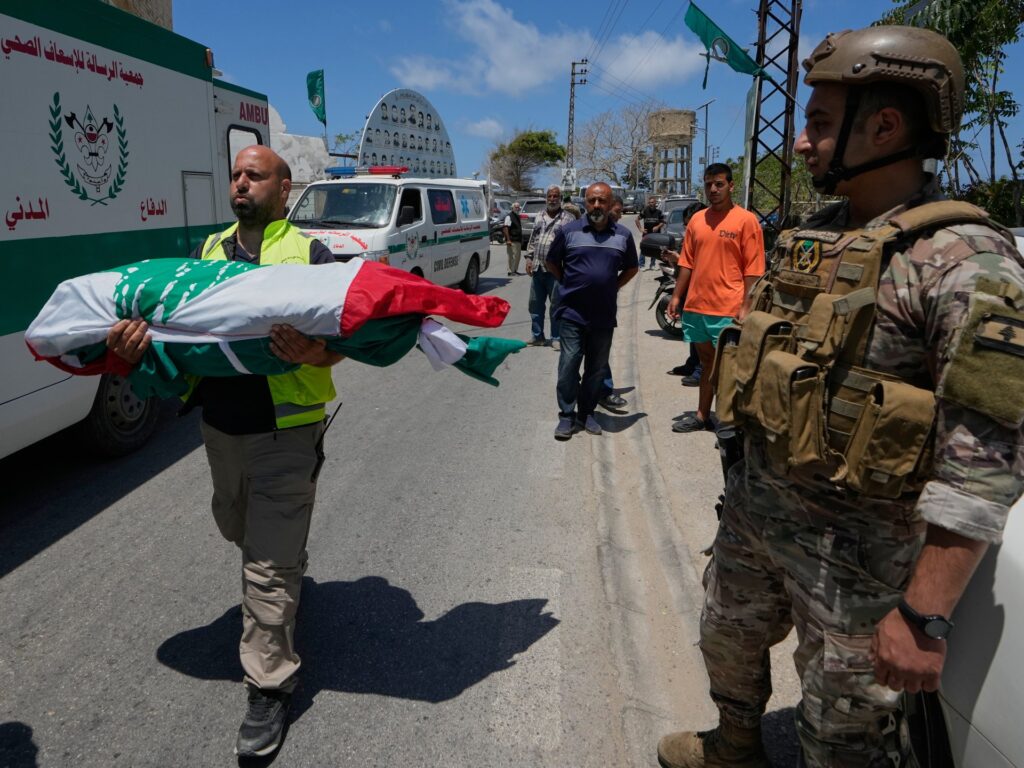
Meanwhile, Israel’s military movements signal a significant escalation in their conflict with neighboring territories. The advance into Lebanon follows a strategic directive from the Israeli Prime Minister to control a majority portion of Gaza. This move is viewed by many analysts as a response to ongoing security threats and as an attempt to dismantle hostile groups operating within these regions.
The situation in Gaza remains dire, with thousands of civilians affected by the occupation orders. Humanitarian concerns are rising as access to essential resources and safe zones becomes increasingly restricted. International organizations have called for restraint from all sides to prevent further civilian casualties.
The interplay between the potential U.S. policy shift on Iran and Israel’s military strategy adds layers of complexity to the Middle Eastern geopolitical landscape. Observers note that the timing of Trump’s decision could either ease tensions through renewed diplomatic engagement or exacerbate conflicts depending on the terms set forth.
Regional powers and global stakeholders are closely monitoring these developments. The balance between diplomatic negotiations and military actions continues to shape the prospects for peace or prolonged conflict in one of the world’s most volatile areas.
As this story unfolds, the international community faces the challenge of responding to rapid changes while advocating for peaceful resolutions. The coming days are critical in determining the future course of these intertwined conflicts affecting millions of lives across the Middle East.