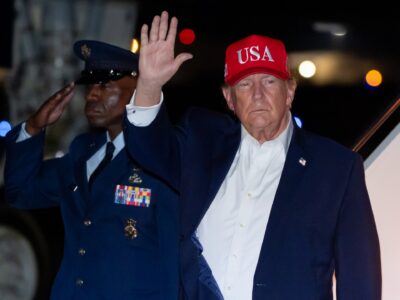
Tensions continue to simmer between the United States and Iran as both nations issue conflicting reports regarding a potential agreement. The discord centers around Iran’s demands for sanctions relief, which the Trump administration has categorically rejected. US President Donald Trump asserted that Iran will not be able to “out-wait” his administration, signaling Washington’s impatience and dissatisfaction with the proposals put forth by Tehran.
In recent developments, Iranian officials have expressed optimism over progress in negotiations, suggesting that a deal might be within reach. However, the White House disputes these claims, emphasizing that Tehran’s current offers fall short of meeting key US requirements. Washington remains firm on the stance that no sanctions relief will be granted without substantial consensus on Iran’s nuclear activities and regional behavior.
President Trump’s comments underline a strategic posture aimed at applying maximum pressure on Iran to return to the negotiating table with more favorable terms. The administration believes that maintaining economic sanctions is a critical leverage point in compelling Iran to make concessions on its nuclear program and geopolitical ambitions.
This divergence in narratives has added to the complexity of the diplomatic landscape, with both sides seeking to manage domestic and international audiences. Iran’s government appears to be leveraging public statements in an attempt to demonstrate flexibility and willingness to engage, while Washington aims to project strength and resolve.
The ongoing stalemate raises questions about the future trajectory of US-Iran relations and the prospects for diplomatic breakthroughs. Experts suggest that without mutual trust and concrete actions, the pathway to a comprehensive deal remains fraught with challenges.
Analysts note that President Trump’s assertion that Iran cannot “out-wait” him reflects his confidence in enduring sanctions and the belief that economic pressure will eventually force Tehran to reconsider its position. However, critics warn that prolonged tension may lead to increased instability in the region and complicate efforts for peaceful resolution.
The international community watches closely as the two powers navigate this critical juncture. Key allies and partners of the United States have voiced support for a tough stance on Iran while encouraging diplomatic engagement to avoid escalation.
In sum, the conflicting reports underscore the fragile state of current negotiations, with significant gaps remaining on fundamental issues. The US administration’s refusal to ease sanctions without substantial Iranian concessions highlights the ongoing challenge of reconciling differing expectations.
As the situation unfolds, stakeholders continue to emphasize the importance of dialogue, strategic patience, and adherence to agreed commitments to pave the way for a sustainable and peaceful agreement. The coming weeks will be pivotal in determining whether the US and Iran can bridge their divides or whether tensions will intensify further.