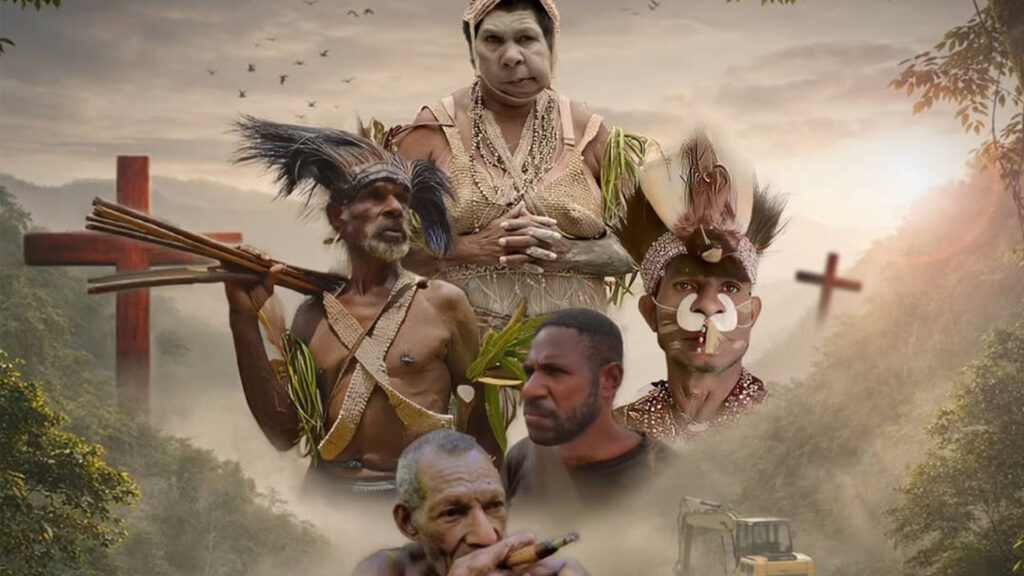
Indonesian authorities have taken decisive action against a new documentary focusing on alleged human rights abuses in Papua, a region known for its complex socio-political landscape. The documentary has sparked significant controversy, leading officials to shut down several scheduled screenings across the country.
The film explores a variety of claims pertaining to the treatment of indigenous Papuans, highlighting grievances related to military operations and economic marginalization. Authorities argue that the content of the documentary could incite unrest and damage Indonesia’s international reputation.
Local governments, in coordination with national security agencies, have enforced bans on public viewings, citing concerns over national unity and public order. These actions reflect broader tensions between Papua and Jakarta, where demands for greater autonomy and recognition have long been sources of conflict.
Critics of the crackdown argue that such measures suppress freedom of expression and the public’s right to be informed about sensitive issues. Human rights organizations and activists have condemned the closures, calling for an open dialogue concerning Papua’s complex issues.
The incident has sparked a wider conversation on how information about Papua is shared and controlled. Supporters of the documentary emphasize the importance of shedding light on alleged abuses to foster accountability and peace.
Indonesia’s approach to managing dissent in Papua has often been a subject of international scrutiny. The latest actions against the documentary screenings underscore the challenges the government faces in balancing national security concerns with human rights commitments.
The controversy also raises questions about the role of media and art in conflict zones and the responsibilities of governments to protect both their sovereignty and the rights of their citizens. As the debate continues, many await further developments regarding the government’s policies toward documentaries and reports emerging from troubled regions like Papua.
This crackdown illuminates the ongoing struggle between state control and the pursuit of truth, highlighting the delicate nature of reporting on human rights in regions affected by conflict. It remains to be seen how the Indonesian government will address these issues moving forward while engaging with diverse perspectives from within and beyond the nation.