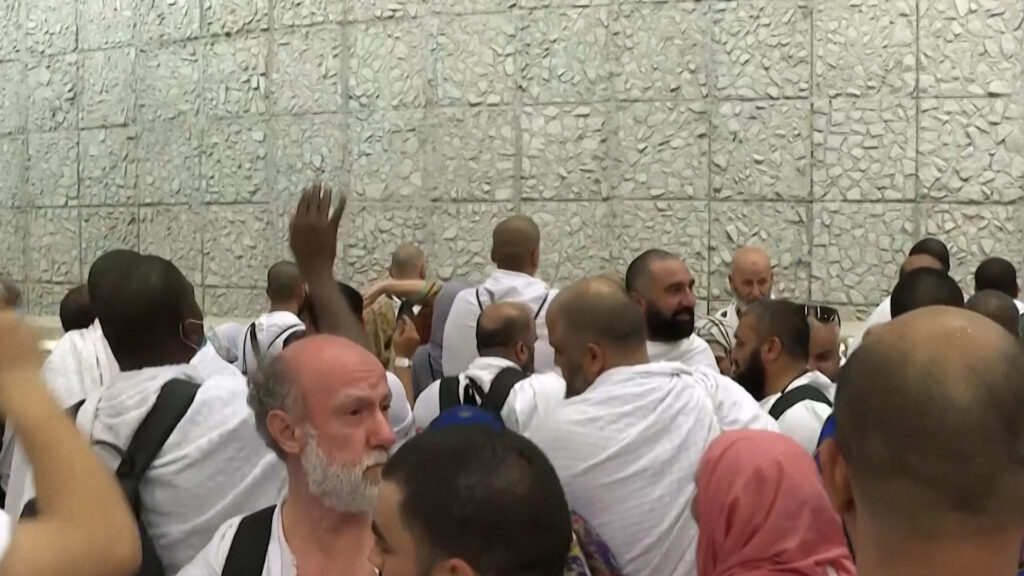
More than a million Muslim pilgrims gathered to participate in the stone-throwing ritual, known as the “Ramy al-Jamarat,” on the third day of Hajj. This ritual is a significant part of the annual Islamic pilgrimage to Mecca, Saudi Arabia, and symbolizes the rejection of temptation and evil. Pilgrims throw stones at three pillars in the city of Mina, representing the devil. The event draws massive crowds, requiring extensive organization to ensure safety and order. Authorities typically implement crowd control measures including timed access, multiple entry points, and emergency readiness to manage the flow of people. The Hajj pilgrimage itself is one of the Five Pillars of Islam, obligatory for every able Muslim at least once in their lifetime if financially and physically capable. The stone-throwing ritual and other rites during the Hajj carry profound religious significance, reinforcing themes of faith, sacrifice, and communal unity among Muslims worldwide.