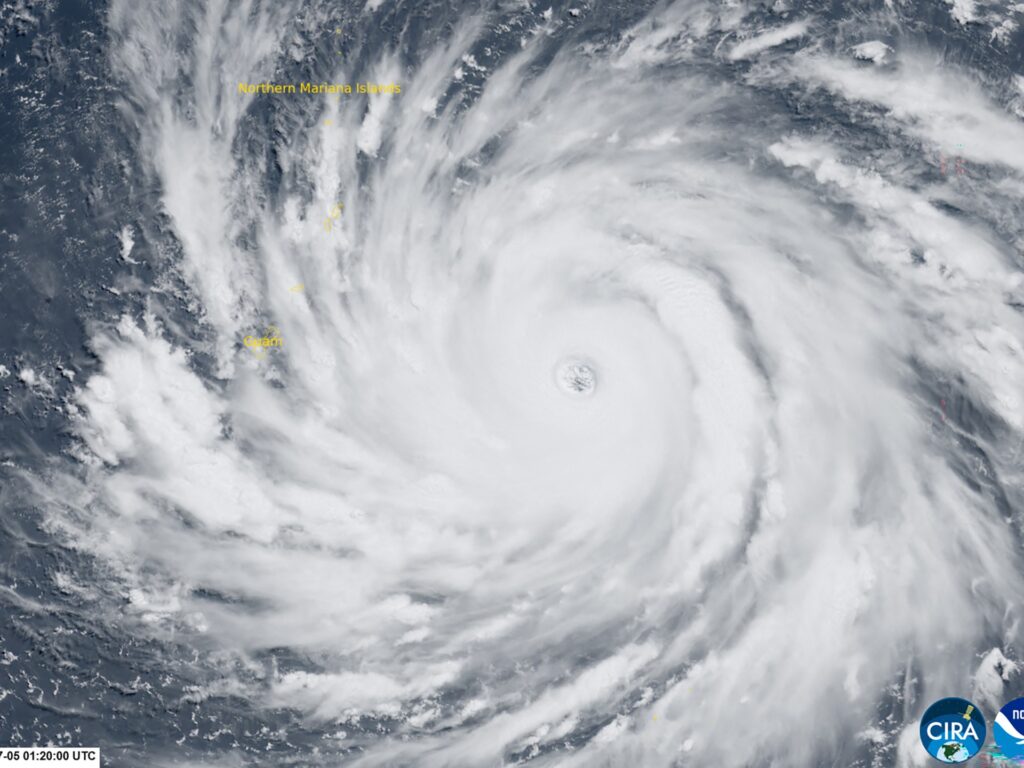
Super Typhoon Bavi, one of the most powerful cyclones to hit the region in recent years, made landfall in China, prompting authorities to evacuate more than one million residents from vulnerable coastal areas. Although the typhoon has been downgraded from its super typhoon status, meteorologists warn that it remains a significant threat due to strong winds, heavy rainfall, and potential flooding.
The Chinese government swiftly mobilized emergency response teams, deploying soldiers and relief workers to assist with evacuations and prepare for the storm’s impact. Coastal provinces, particularly in eastern China, bore the brunt of the storm’s force as Bavi moved inland.
Meteorologists observed that while Bavi’s sustained wind speeds have decreased, the storm’s intensity and unpredictable trajectory still pose serious risks. Flood warnings remain in effect for several river basins, with the possibility of landslides and infrastructural damage in mountainous areas.
Authorities urged residents to remain indoors and follow the instructions issued by local emergency services. Schools and businesses in the affected regions were closed as a precaution. Power outages and transportation disruptions have been reported in multiple cities.
The typhoon’s landfall came after days of intense weather patterns affecting neighboring countries, which were also on high alert. Regional weather experts emphasized the importance of continuous monitoring and community preparedness in mitigating the storm’s effects.
The Chinese government has allocated funds for immediate disaster relief and recovery efforts to assist affected populations. Medical teams and supplies are being transported to the most impacted zones to treat injuries and prevent disease outbreaks.
As Typhoon Bavi continues to weaken, authorities remain cautious, warning of the dangers posed by flooding and debris. The storm’s progression will be closely monitored over the coming days to ensure timely updates and responses.
This severe weather event highlights the need for robust disaster management strategies in the face of increasingly volatile climate phenomena. Community resilience and governmental coordination have been instrumental in managing the crisis thus far.
Residents are encouraged to stay updated through official channels and prepared for possible extended disruptions as clean-up and recovery operations unfold.