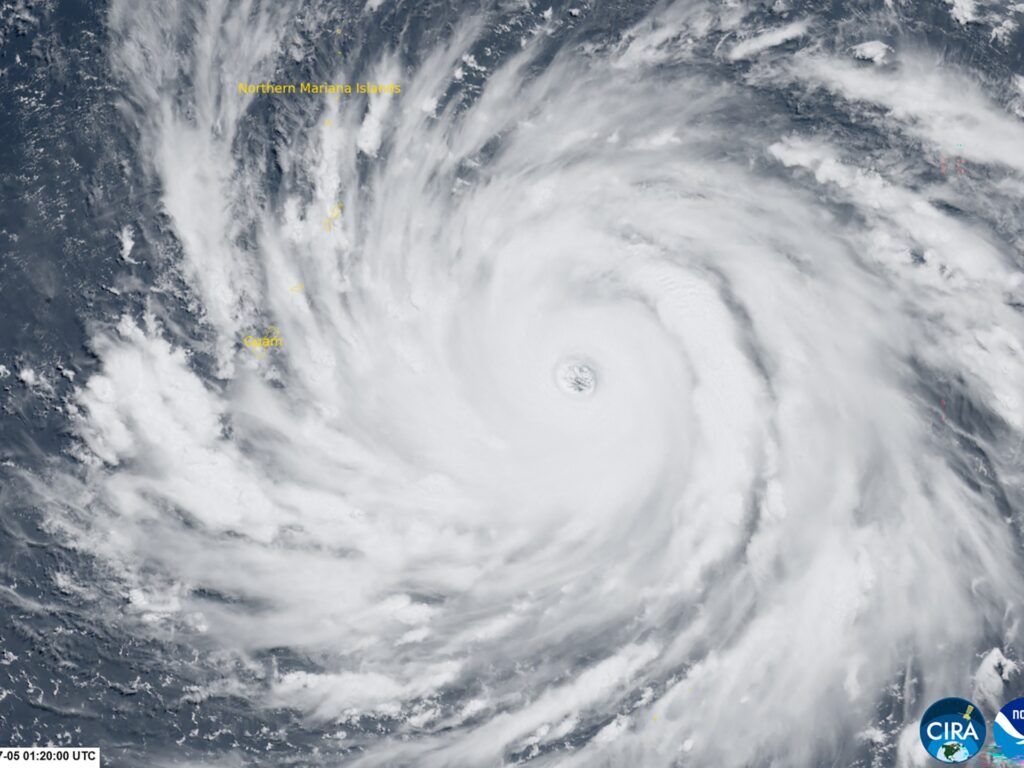
Typhoon Bavi, a powerful storm that recently made landfall in China, has triggered the evacuation of more than 1.7 million people. Despite being downgraded from a super typhoon, Bavi remains a significant threat due to its potential to cause widespread damage and disruption.
Meteorologists have been closely monitoring the typhoon as it approached China’s coast. Initially classified as a super typhoon, Bavi’s intense winds and heavy rainfall posed a serious risk to life and property. Although the storm has now been downgraded, experts warn it remains dangerous, capable of causing floods, landslides, and destruction.
Authorities in the affected regions acted swiftly to minimize the impact by ordering mass evacuations. More than 1.7 million residents were moved to safer locations, including emergency shelters and other secure facilities. These efforts aim to protect vulnerable communities from the typhoon’s powerful effects.
Transportation and industrial activities in the typhoon’s path were severely disrupted as precautionary measures were put in place. Ports, airports, and railway services faced delays or temporary closures to ensure the safety of passengers and workers.
Local governments have been mobilizing emergency workers, deploying rescue teams, and stockpiling supplies to assist populations in the hardest-hit areas. Food, water, medical supplies, and essential equipment have been distributed to support evacuees and emergency responders.
Meteorological agencies continue to track Typhoon Bavi’s movement and intensity. Residents are urged to remain vigilant and follow official instructions for safety. The storm’s heavy rainfall is expected to persist, increasing the risk of flash floods and landslides, particularly in mountainous and low-lying regions.
The economic impact of Typhoon Bavi could be substantial. Damage to infrastructure, agriculture, and businesses is anticipated, affecting the livelihoods of many people. Recovery efforts will require significant resources and coordination among local, regional, and national authorities.
Typhoon Bavi’s arrival underscores the importance of disaster preparedness and climate resilience in areas prone to tropical cyclones. As climate change contributes to the increasing frequency and intensity of such storms, governments and communities must enhance their ability to respond effectively.
In summary, the downgrading of Super Typhoon Bavi has not lessened its threat. The evacuation of more than 1.7 million people reflects the seriousness of the situation. Continued vigilance, effective emergency response, and community support are critical in mitigating the storm’s impact and ensuring the safety of all affected populations.
Residents along the coast and inland areas are strongly advised to stay informed through official channels and to comply with evacuation orders and safety guidelines. The coming days will be crucial in determining the full extent of Typhoon Bavi’s effects and the resilience of the affected areas in China.